- Improve Your Volleyball Home
- Coach April's Peace Love Volleyball Mom Shirt Ideas Spring Into Vegas
- Volleyball Training Shop Small Business
- Volleyball Setting Checklists
- Tips For Short Volleyball Players
- The Volleyball Checklist
- Volleyball Consulting For Coaches and Clubs
- How To Coach Girls Volleyball
- Sayings and Quotes
- Sayings and Quotes

Improve Volleyball Skills Using Drills Focusing on the 6 Basic Skills
To improve volleyball skills like passing, serving, setting, hitting, digging, and blocking, start by focusing on the fundamentals of each skill. Whether you are just starting out or pushing to the next level, start with the skill you want to improve most.
- Improve your passing skills
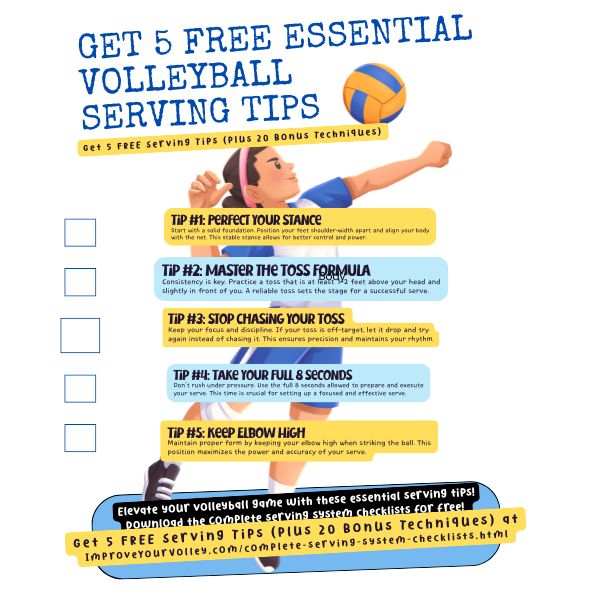
- Improve your serving skills
- Improve your setting skills
- Improve your hitting skills
- Improve your digging skills
- Improve your blocking skills
This page is for beginner to intermediate volleyball players who want to improve the six basic skills needed to make the team, earn more playing time, and compete with more confidence. It is especially helpful for middle school and high school athletes, but parents and coaches can also use it as a simple guide to the fundamentals.
The 6 Skills You Need to Improve
Each of these six basic volleyball skills plays a major role in helping you earn more playing time and compete at a higher level. Choose one skill to focus on first, then build from there.
Passing
Passing helps your team run an offense by getting the ball under control and to the setter. If you cannot pass consistently, it becomes much harder to stay on the court.
Serving
Serving is your first chance to score a point without help from a teammate. A strong serve puts pressure on the other team and can immediately disrupt their offense.
Setting
Setting gives hitters a ball they can attack with confidence and timing. Better setting improves your team’s rhythm, tempo, and scoring opportunities.
Hitting
Hitting is how players attack the ball to score points and challenge the defense. Learning proper footwork, timing, and arm swing can make your attacks more powerful and effective.
Digging
Digging keeps hard-hit balls off the floor and gives your team another chance to score. Strong defensive technique helps you control attacks and extend rallies.
Blocking
Blocking is your first line of defense at the net against an opposing hitter. Good blocking can slow down attacks, score points, and make defending behind the block much easier.
These are the six most basic skills of volleyball a competitive middle or high school Vegas player needs to learn in order to make their high school team.
Ready to improve your volleyball skills for tryouts, more playing time, or the next level?
Start by learning the six fundamentals every competitive player needs.

Let's start with serving...
How To Improve Volleyball Skills
What You Need To Know About Serving?
Serving
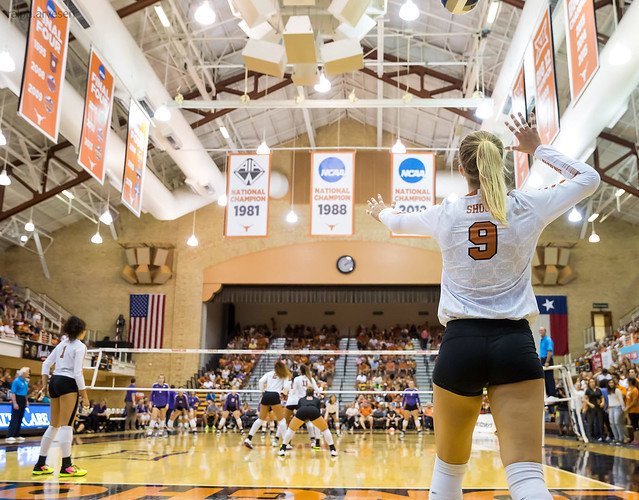
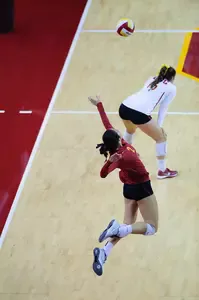
What it is: Serving is the one skill in volleyball you perform completely on your own to start the rally and try to score a point. A good serve combines control, pace, and accuracy to put pressure on the other team right away.
Why it matters: Serving is your first opportunity to score without help from a teammate. A tough serve can force bad passes, disrupt the other team’s offense, and help your team score more points.
Common mistakes:
- Serving without a clear target
- Trying to hit too hard without enough control
- Inconsistent contact and ball placement from behind the service line
Tips to improve:
- Practice serving to all six zones so you can place the ball anywhere on the court
- Aim for specific targets like seams, sidelines, and deep corners
- Face your target and focus on pace plus precision instead of just power
What's The Let Serve in Volleyball And More Serving Questions Answered
Learn important volleyball service rules and answers to basic let serve questions about what's legal when serving a ball from behind the service line.
What's a "let" serve in volleyball?
The old rules were that when a server served a ball which nicked or touched the top of the net...
Players are given a specific amount of time to serve a pre-determined number of balls to the target area formed by the chairs. hitting the middle of the chairs is rewarded more than just hitting the chairs in this case but coaches can come up with their own rules in order to make this a tougher or easier drill.
That's me training long term private training client Ariella working on consistently serving very aggressive jump float serves deep in the court.
Do you need to improve volleyball skills for serving?
As a tough volleyball server, your job is to be comfortable serving anywhere and anyone from behind the service line with pace and precision in order to score points.
When you do your volleyball drills for serving practice you want to do tons of reps to every single one of the six positions on the court.
You want to be able to hit those targets from anywhere behind the service line.
Targets to aim for during your volleyball drills for serving:
-serve seams
-serves the sidelines
serve outside hitters deep in the court
Some players think that being a tough volleyball server means you need to really be sneaky and try and fake out the serve receive by not showing where you are going to serve.
On the contrary I say...let everybody know where you are going to serve.
Face Your Target.
If you want, you could place this right under the Serving section:
Smart Serving Targets
- Serve seams between passers
- Serve the sidelines
- Serve deep to outside hitters
Do not just serve the ball over the net and hope for the best. Practice serving with a clear target so you can put specific passers under pressure and make the other team uncomfortable.
How To Improve Volleyball Skills
What is Passing in Volleyball?
Passing
What it is: Passing is the skill of receiving a serve or free ball and controlling it to your setter so your team can run an offense.
Why it matters: In high school and college volleyball, passing is one of the most important skills to learn because if you cannot pass consistently, it is much harder to stay on the court and help your team score.
Common mistakes:
- Breaking your arms apart during contact
- Jumping while passing instead of keeping your feet on the ground
- Waiting too long to move your feet to the ball
Tips to improve:
- Keep your thumbs pointed down to help keep your arms straight
- Keep your forearms together and angle your passing platform toward your target
- Move your feet early, get stopped, and stay low with your shoulders over your knees before contacting the ball
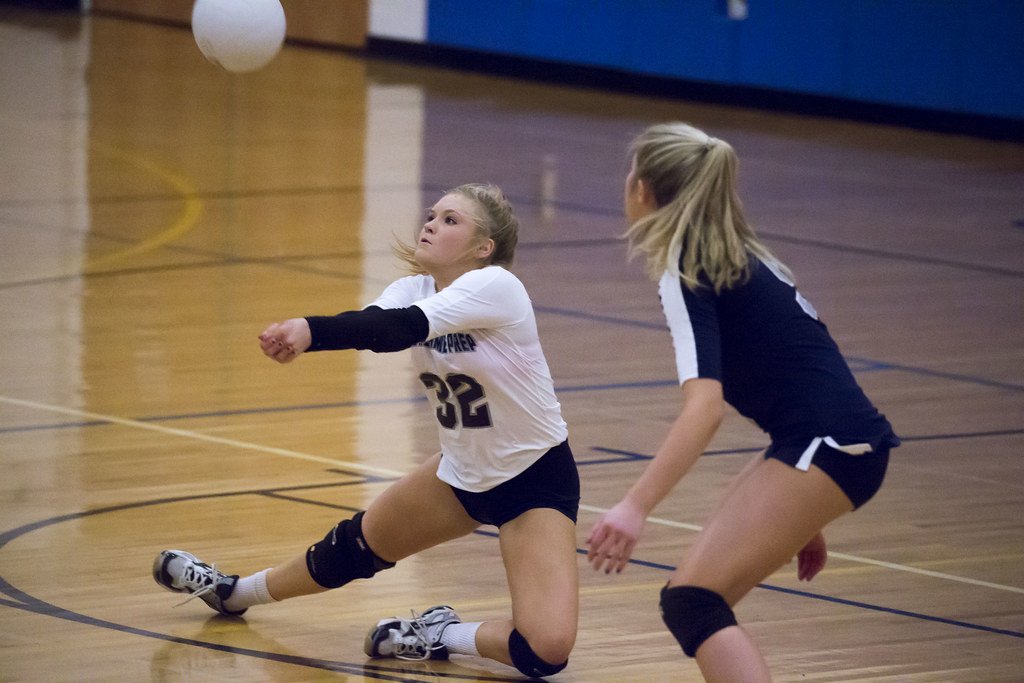
Tip 1. Keeping your thumbs pointed to the ground, keeps your arms straight.
Your forearms, commonly known as "your passing platform", should be angled towards the target you plan on passing the ball to.
These three volleyball passing tips will help improve volleyball skills for passing and will make a different on how well you'll get the ball to the target
Tip 2. Keep your arms together without breaking them apart during the pass
Tip 3. Keep your feet on the ground when bumping the ball.
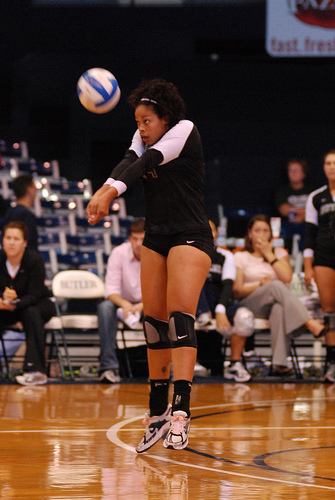
As a passer you want to avoid "jump bumping" instead if you move your midsection out of the way you can still pass the ball with your passing platform angled outside of your body line.
Watch how Aubrey moves her midsection out of the way deciding early which side of her body she is going to open u and get out of the ball's path while putting her passing platform outside of her body line in the path of the ball while keeping her inside shoulder angled towards her target.
That's why it's important to get stopped then use the correct technique.
Don't be lazy just because it seems like an easy pass to make.
Tip 4. Move your feet quickly to get to the ball
Fight to maintain good volleyball passing skill and technique. I'm guilty of committing this error when I know its an easy pass or free ball.
Especially with free balls you need to read where the ball is going to land and the quickly move your feet to that spot BEFORE the ball gets there.
Remember to stay low and keep your shoulders over your knees as you do this...even though its an "easy free ball" doesn't mean you get to forget about using good passing technique and stand up or bend your elbows during this pass.
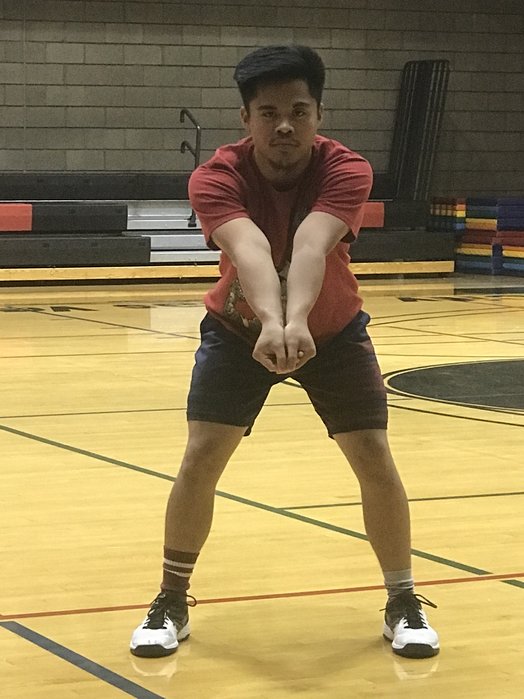
Tip 5. Keep your arms together when passing the ball.
You have to fight the temptation of breaking your arms apart and keep them together especially when you are passing on the move.
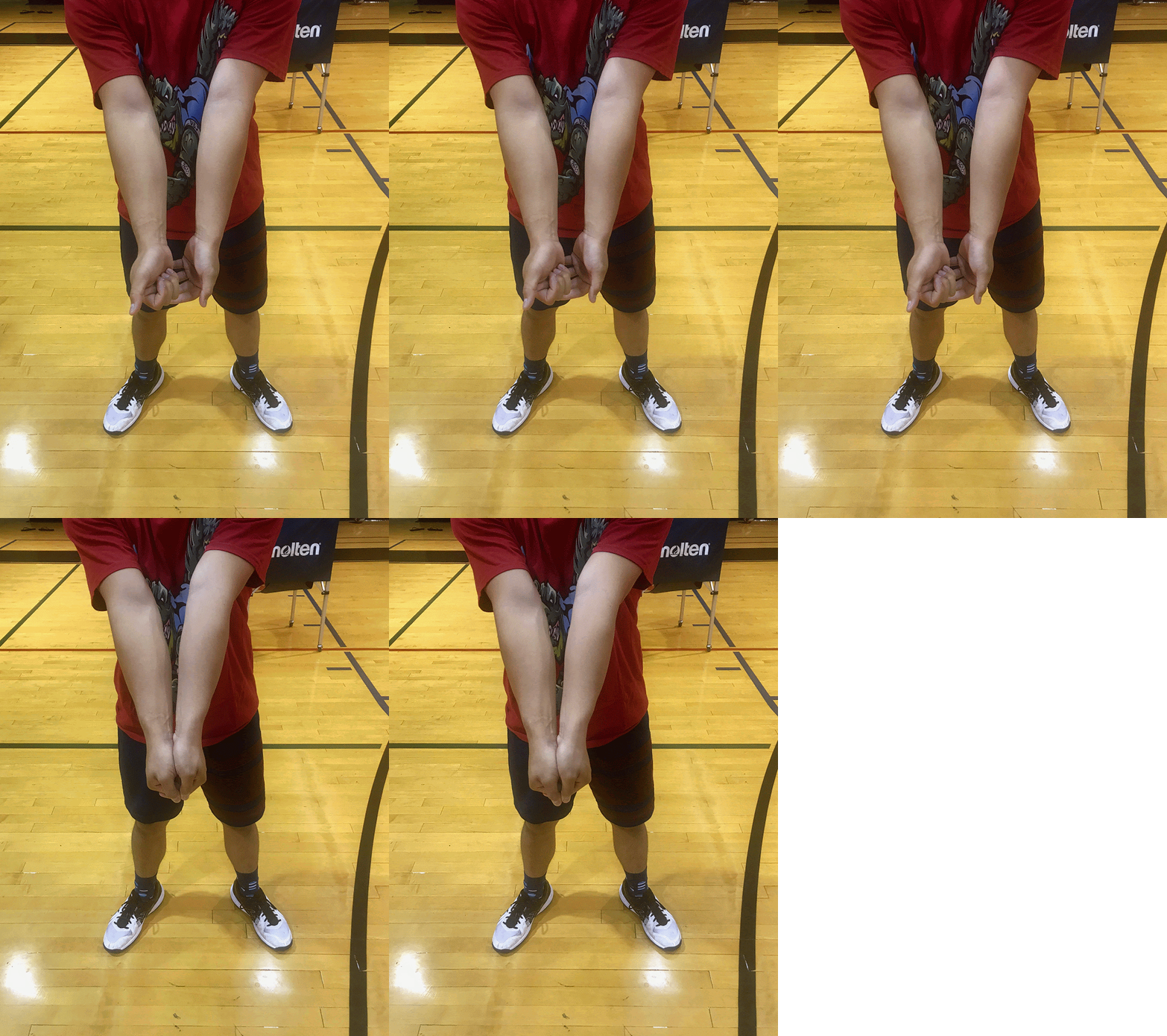
No matter how hard or easy the serve...keep your arms together when you pass a volleyball.
How To Improve Volleyball Skills
What is Setting?
Setting
What it is: Setting is the skill of contacting the ball overhead with open hands and using your fingertips to place the ball to a teammate for an attack or, at times, over the net to catch the other team off guard.
Why it matters: A good set gives hitters better timing, better location, and a better chance to score. The more accurately you set the ball, the more consistent your team’s offense can become.
Common mistakes:
- Letting the ball get too low before contacting it
- Using stiff hands instead of soft fingertip control
- Sending inconsistent sets that are too high, too low, or off target
Tips to improve:
- Contact the ball overhead with open hands and spread fingers
- Practice setting the same type of ball repeatedly so your hitters can build timing
- Use simple ball control drills like self-setting and partner setting to improve consistency
The most common volleyball offense strategies set to the left side:
The "Hut" - a medium high/medium speed rainbow shaped set that fails inside the left antenna after peaking 5-6 feet above the net
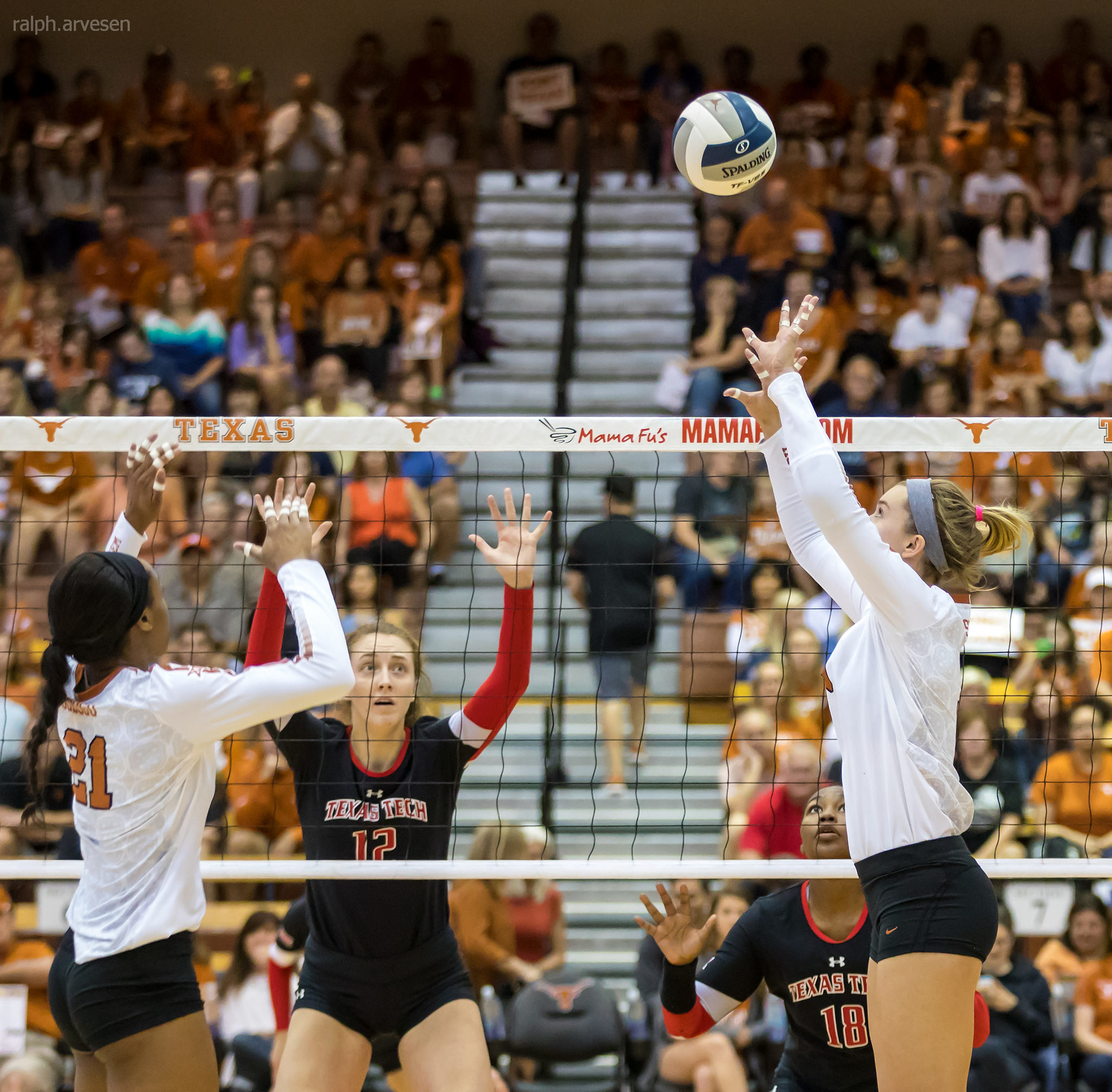
To Improve Volleyball Skills For Setting Check These Drills Out
Simple Setting Drills to Try
- Right hand jump set a two to yourself
- Left hand jump set a two to yourself
- Jump set a four set to your partner
Repeat the drill and focus on clean, controlled ball contact. You can even practice these ball control drills at home against a wall.
Repeat and have fun
You can do this at home against a wall.
How To Improve Volleyball Skills
What is Spiking in Volleyball?
Hitting
What it is: Hitting, also called spiking, is the skill of attacking the ball with a powerful arm swing after using a three-step or four-step approach to jump and contact the ball at its highest point.
Why it matters: Hitting is one of the main ways players score points. The better your approach, timing, and ball contact, the more effective you can be at attacking open spaces and scoring against the other team.
Common mistakes:
- Using poor footwork on the spike approach
- Contacting the ball too low instead of reaching high
- Trying to hit straight through taller blockers instead of using smarter shot placement
Tips to improve:
- Practice a consistent three-step or four-step approach to build power and timing
- Work on contacting the ball at your highest reach with a strong, controlled arm swing
- Learn to hit to open spaces or off the block instead of always trying to hit straight down
Volleyball Drills For Hitting: Tommi Stockham Works On Transitioning from Outside To Hit A Two Ball
BYU commit Kate Prior, with Breakfast Club regulars Talina Inguanzo, Adlai Rodriguez during volleyball hitting drills
These volleyball hitting spike approach tips explain the three step and four step spike approach techniques which create the power for your hitting attacks.
The volleyball spike approach is a set number of steps, usually a three-step approach or a four-step approach that a player makes to gather the speed and gain forward momentum needed to get in the air to make contact with the ball at its highest point.
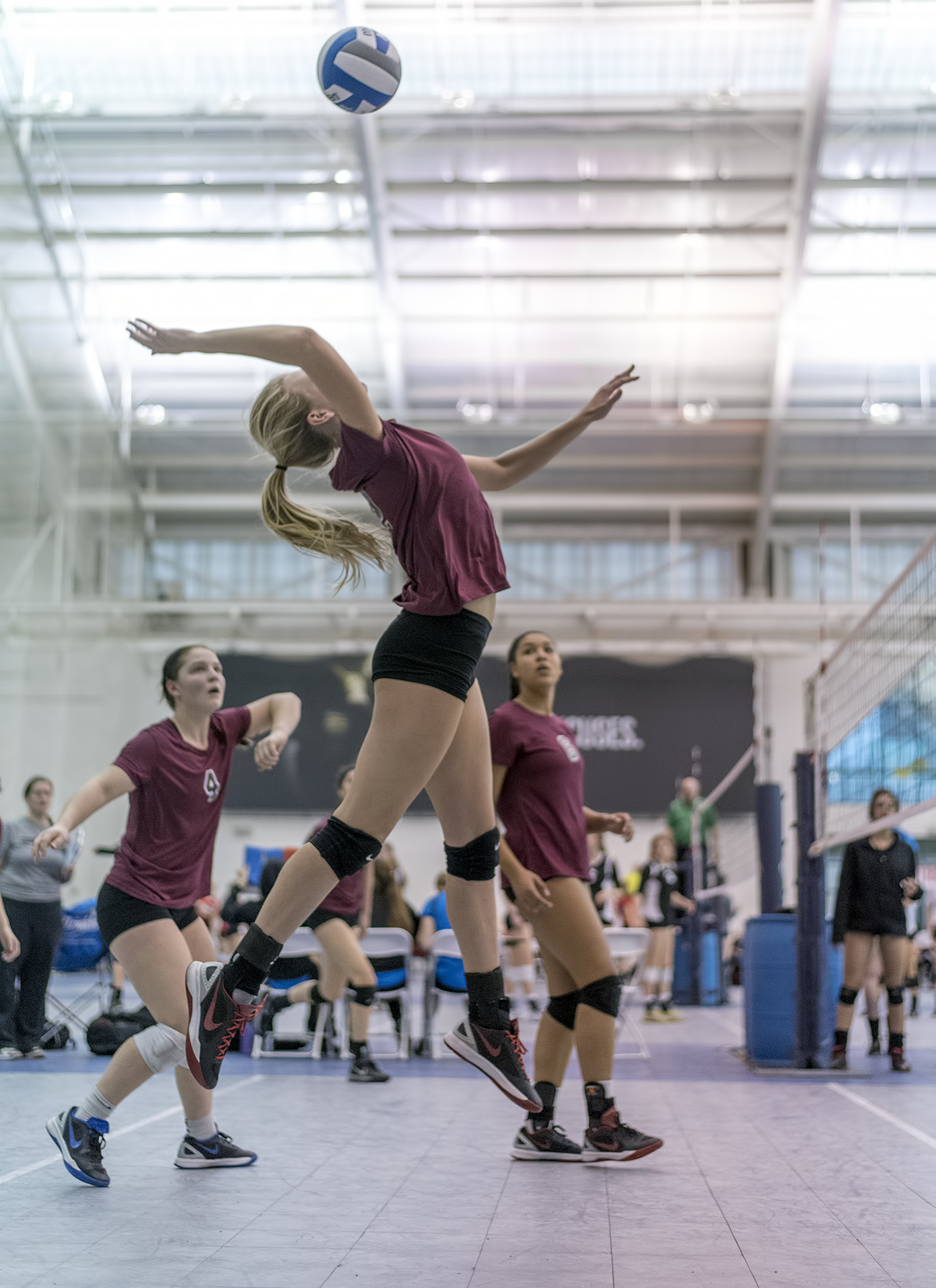
When an airplane is ready for take off, it makes its approach down the runway to gather speed and velocity so that it can lift itself up in the air.
Tips To Improve Volleyball Skills For Hitting For Players That're Shorter Than Average To Score Points
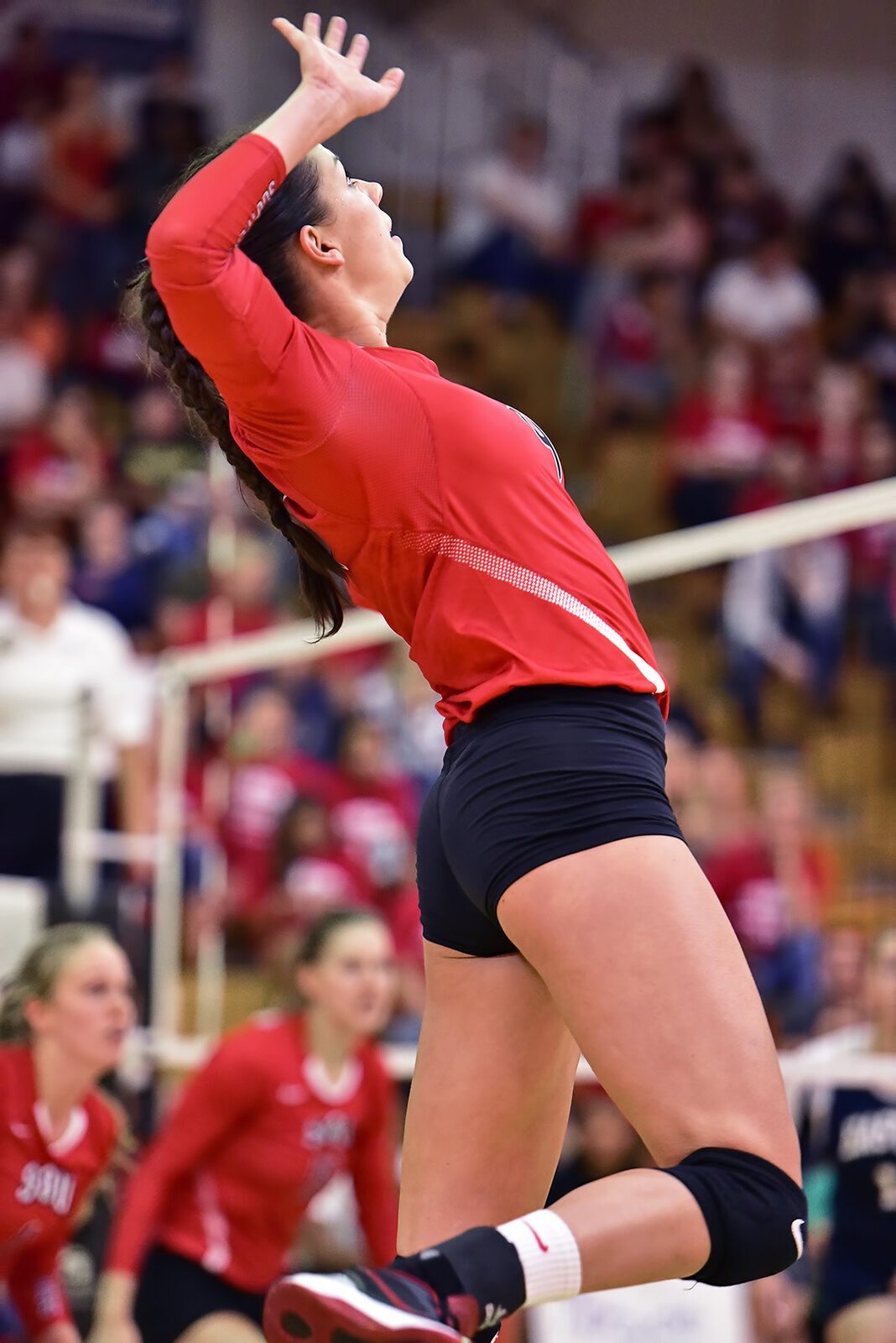
One Hitting Tip for Shorter Players
If you are shorter than the blockers across the net, do not always try to hit straight through them. Learning how to hit off the block or place the ball to open areas can help you side out and score more points.
Simple Hitting Drill Idea
Set up a left side hitter on one side of the net and a right side blocker on the other. Have the coach toss from the setter's position. When the coach slaps the ball, the hitter transitions off the net and attacks down the line, focusing on smart contact and shot placement.
Hitting off the block is the focus of one of these hitting drills for volleyball players who're short but want to score points against taller blockers in the front row.
shorter hitters can use against taller blockers to sideout and score points.
I'll set up a left side hitter on one side of the net who's competing against a right side blocker on the other side of the net.
Both players start at the net with the Coach in the setter's position ready to toss balls to the hitter who will start the drill.
Lets say the left side hitter starts first.
When Coach slaps the ball left side hitter transitions off the net and has been instructed to only hit the ball down the line.
How To Improve Volleyball Skills
What Is Blocking?
Blocking
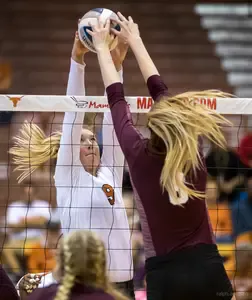
What it is: A volleyball block is the first opportunity at the net to defend a ball by attempting to keep an opposing hitter from hitting the ball into your court.
Why it matters: Blocking can help your team score points, slow down hard attacks, and make it easier for your back-row defenders to dig the ball. A well-timed block also takes away space from the hitter.
Common mistakes:
- Jumping too early before the hitter contacts the ball
- Keeping your hands straight up instead of pressing over the net
- Moving too slowly along the net to get in front of the attacker
Tips to improve:
- Track the setter and the hitter so you can improve your timing
- Press your hands over the net to seal more space
- Use quick footwork along the net so you can get stopped and jump in balance
Basic Volleyball Skills
What Is Digging?
Digging
What it is: Digging is the skill back-row players use to keep the ball off the floor if it gets past the block. To dig a ball, a defender clasps the wrists together, points both thumbs down, and creates a platform with the forearms to redirect the ball back up in the air.
Why it matters: If your blockers cannot stop the attack at the net, your diggers need to keep the play alive. A good dig gives your team another chance to control the ball and score.
Common mistakes:
- Bending the elbows and losing a strong platform
- Letting the arms separate during contact
- Angling the platform in the wrong direction
Tips to improve:
- Keep both elbows straight by pointing your thumbs down
- Use your forearms as a flat platform to control hard-driven balls
- Angle the platform toward the area where you need the ball to go
While its the blockers job to try and stop the ball at the net, its the responsibility of the players in the back row also known as diggers to keep the ball off the floor, if the ball happens to get past their block.
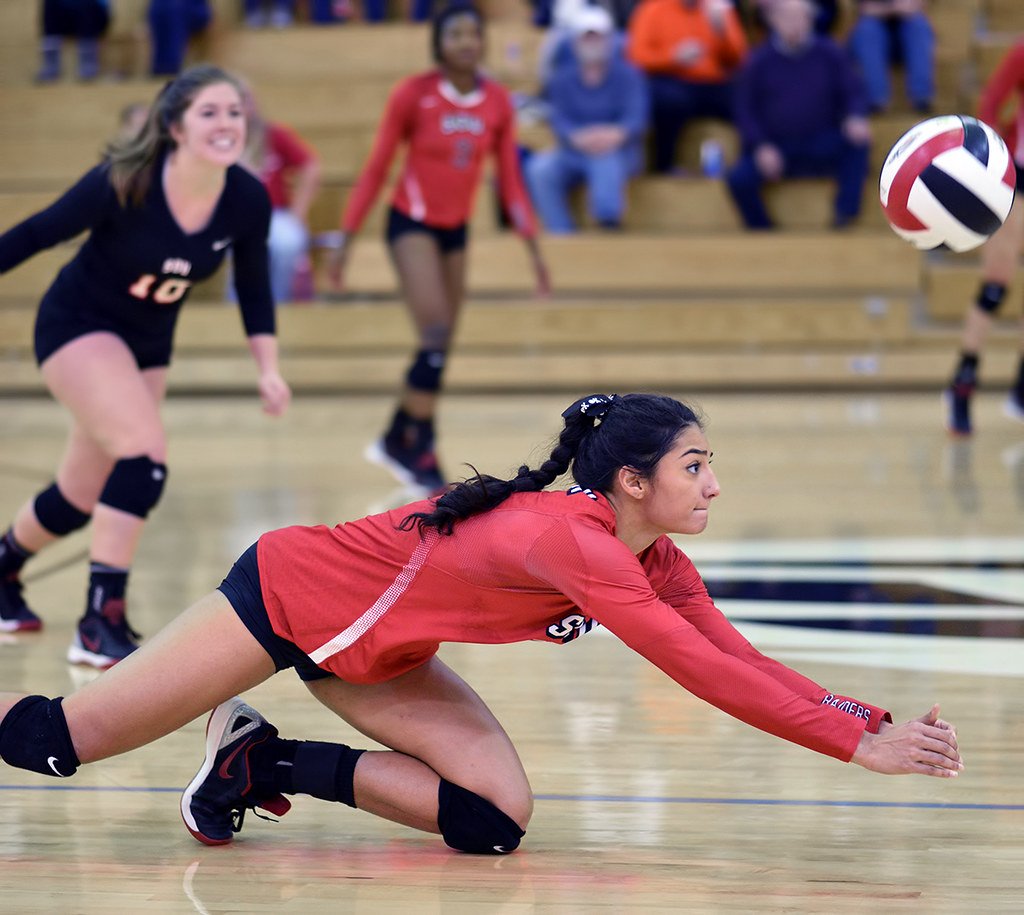
To dig a ball while your team is in defense a back row player will clasp both wrists together placing one closed fist into the palm of the other hand and point both thumbs down to keep both elbows straight while creating a platform.
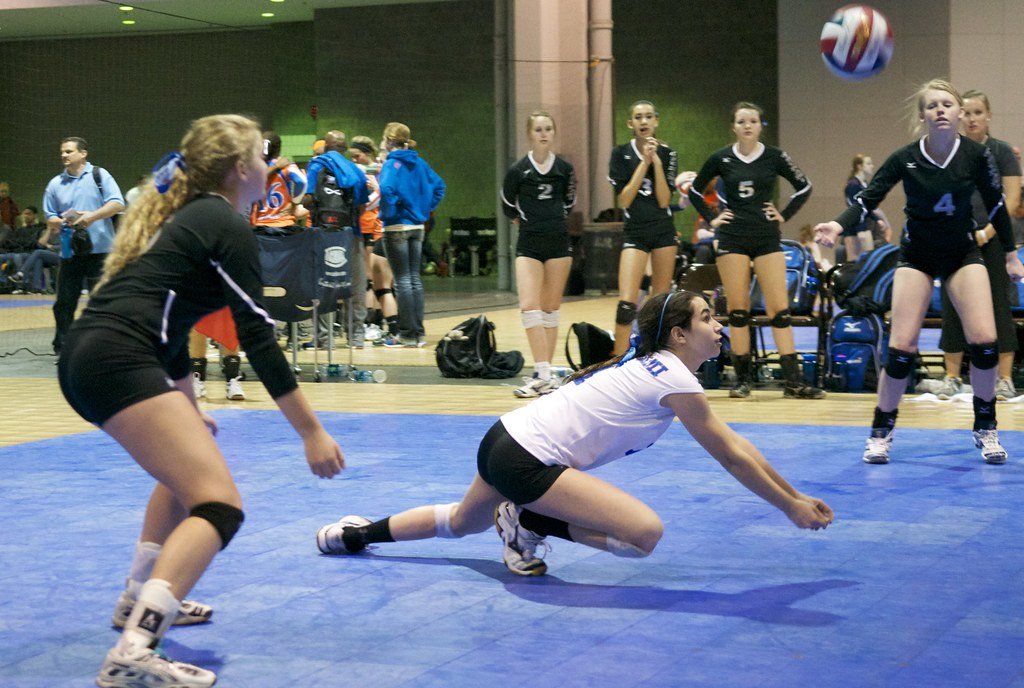
This platform becomes the flat surface used to redirect a hard hit spike or attack back up in the air angled toward the direction you need the ball to go while keeping it off the floor.
How To Improve Volleyball Skills:
Where Do You Go From Here?
What do you need to do now? You have three options:
- Learn more about Serving
- Follow the suggested reading on our Sitemap page Learning How To Play (Sitemap)
- Or visit the pages in the How to Play Volleyball section in the drop down menu at the top of the page to get started.
Learn how to improve volleyball skills in the pages below.
Workouts To Improve Volleyball Skills: 4-Week Training Plan & Tracker
Get complete structured 4-week workouts to improve volleyball skills with daily training schedules, self-assessment checklists, and progress tracking.
How To Improve Beach Volleyball Passing Where To Pass In The Hot Sand
Three tips on how to improve beach volleyball passing are 1) learn where to stand on the court 2) how to stay on top of the sand 3) why you should pass first
How To Improve Volleyball Serve Skills For Float, Spin and Jump Serves
On ImproveYourVolley.com find step by step volleyball tips on how to improve volleyball serve skills for standing and jump floater serves and topspin serves.
3 Exercises To Improve Spike Skills By Hitting With A Faster Armswing
These 3 volleyball exercises to improve spike skills by hitting more balls in the court with a quick armswing and aggressive spike approach to beat blockers.
How To Improve Volleyball Serve Efficiency: Learn To Serve More Aces
Discover effective serving drills, overhand float serve techniques, and ump float serve strategies to improve volleyball serve power, accuracy, and placement.
How to Improve Volleyball Skills: Pass, Serve, Set, Hit, Block and Dig
Learn how to improve volleyball skills-the pass, serve, set, hit, dig and block are the six basic volleyball techniques you learn to play on the varsity team
12 Drills To Improve Volleyball Skills:Complete Practice Drill Library
Master these 12+ proven drills to improve volleyball skills with step-by-step instructions for passing, setting, serving, hitting, blocking and defense.
Drills And Exercises To Improve Volleyball Serve Skills For A Floater
Use my training videos of exercises to improve volleyball serve skills we do in my clinics, Boot Camp classes, one on one private and semiprivate trainings.
How To Improve In Volleyball The Volleycats Elite Volleyball Club Way
When I became club director of my own Volleycats Elite Club I created a strategic practice and conditioning plan for players on how to improve in volleyball.


If your athlete struggles with consistent serve receive, gets subbed out, or is overlooked for playing time—this is the fix you’ve been looking for.
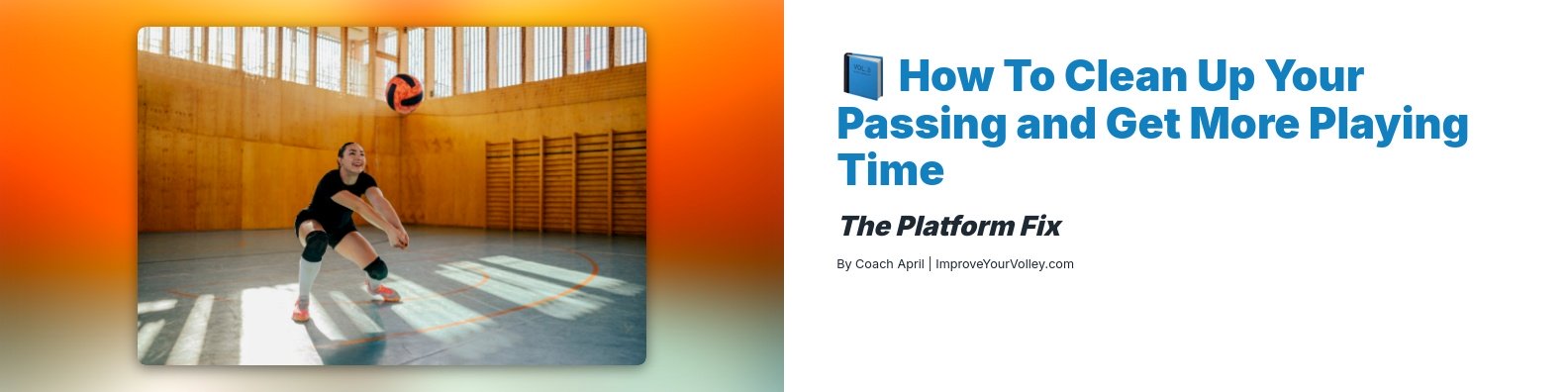
Struggling with passing consistency?
I help talented passers tired of getting pulled from games because of inconsistent serve receive skills BUILD passing confidence without expensive private lessons using the same 3-step system that's helped dozens of my athletes get recruited.
Download my eBook for $17.99 and start building the passing confidence that keeps you on the court—and gets you seen by college coaches.
AUTHOR BIO
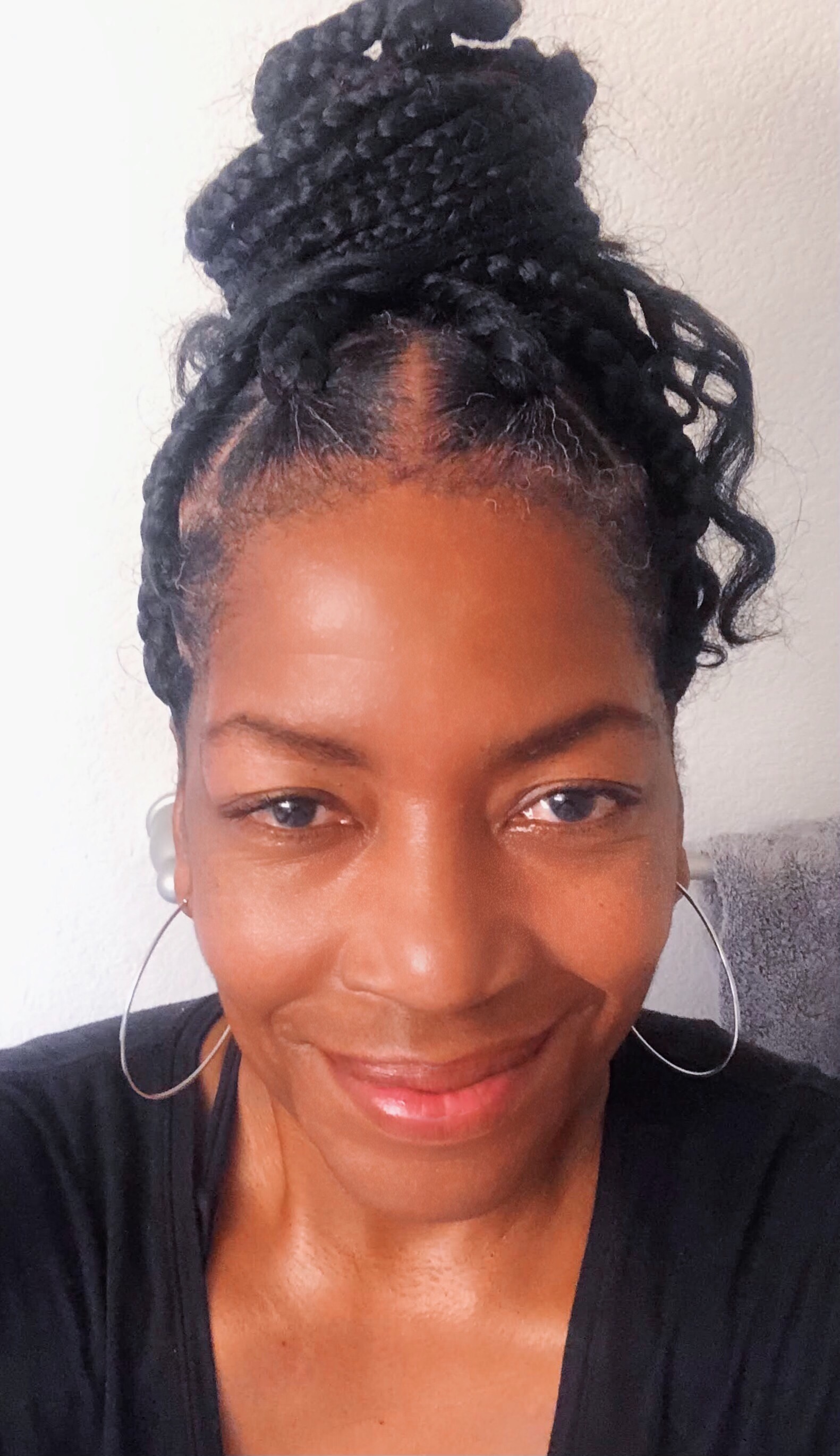
April Chapple is an elite private volleyball trainer, former USA National Team member, and University of Tennessee Hall of Fame inductee who has coached in Las Vegas for 15+ years, training hundreds of athletes and helping numerous players reach college volleyball, including Division I standouts.
She's also the head coach for girls and boys 18s at Squad VBC and offers coaches consulting on technical teaching and player development. Connect with April on LinkedIn or at ImproveYourVolley.com, where her eye for overlooked talent sets her apart.
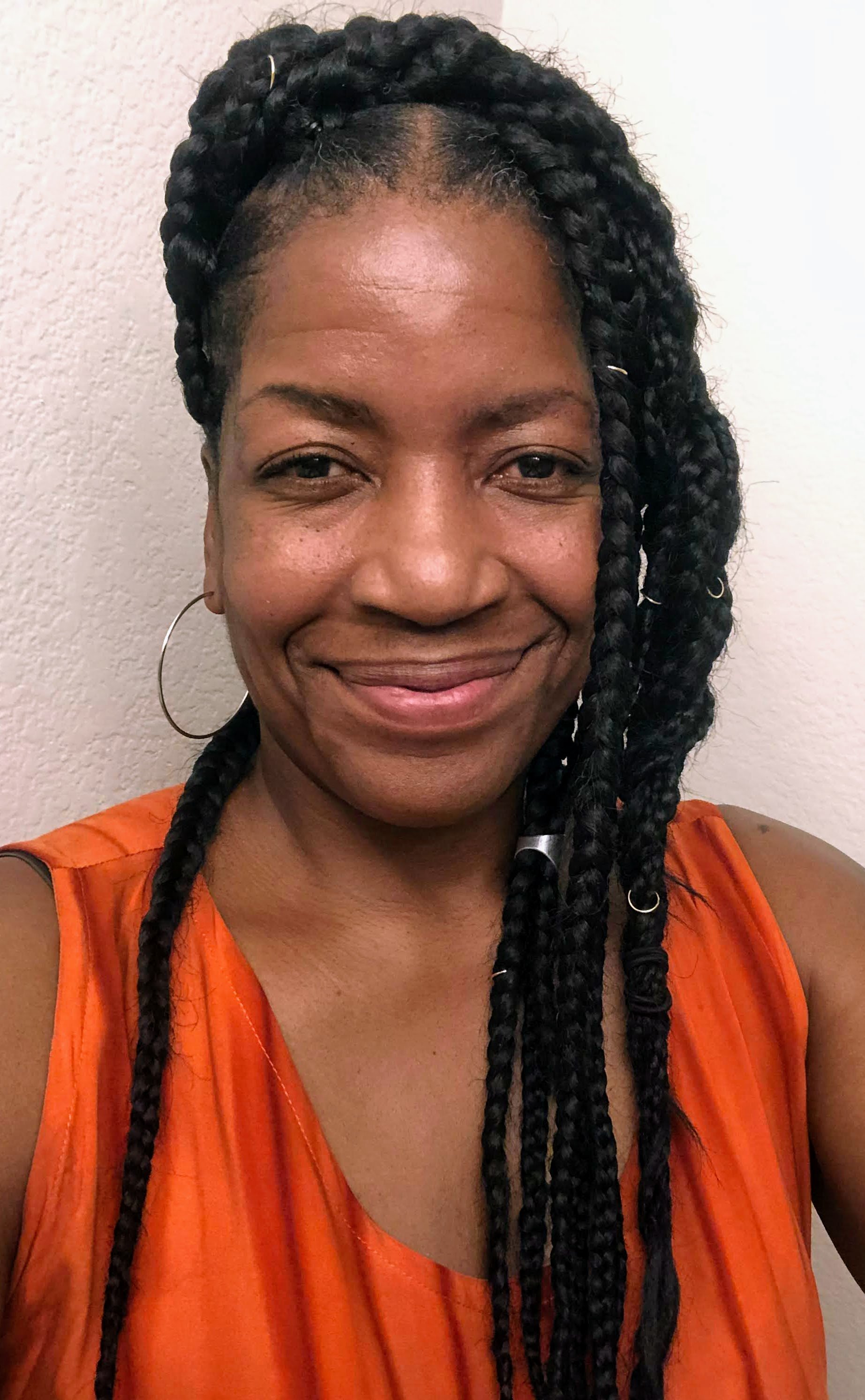
From Lady Vol to Legend: Coach April Honored At UTK Champions Weekend
Lady Vol volleyball legend and record holder Coach April Chapple a University of Tennessee, Knoxville Hall of Fame Inductee, 3-time All American, 3-time SEC Champion, SEC Tournament MVP, 2-time All SEC Team is celebrated with her 1984 SEC champion teammates at Neyland Stadium during Champions Weekend on November 1-2, 2024.

- the first First Round Draft Pick for the first American pro indoor women's league
- named to the first First Team All-Pro team for Major League Volleyball in USA volleyball history
- former USA National team member
- one of the few American women players named as an Italian Pro League D-I Championship Finalist, Italian Cup Finalist and Cup of Cups Tournament Finalist
April Chapple The first First round Draft Pick For Major League Volleyball the first American Women's Pro League Honored At Athlete Unlimited Pro Volleyball Match
Coach April's 2026-27 Private and Semi private Volleyball Training
Pre-Registration now open for 2026-27 Private and Semiprivate Training Sessions with Coach April . Get prepared for club tryouts or train with me during club season!
Email now for information on semiprivate or private indoor skills, individual or small group training volleyball classes and my Breakfast Club for College Players training for 2026-27.
Invest in your improvement while preepping for your next level and college goals while working hard and training smart.
Email me right now to register or for more information.
info@improveyourvolley.com
Affiliate Disclosure
If you make a purchase through a link on my site, I may receive a small commission at no extra cost to you.
As an Amazon Associate, I earn from qualifying purchases. The Amazon Services LLC Associates Program, an affiliate advertising program designed to provide a means for sites to earn advertising fees by advertising and linking to Amazon.com.
I only recommend products that I believe to have good value. Click to read my
Donations Welcome!
If my free social media online training and/or instruction on this site has helped improve your game or meet your goals CLICK the Cash App link below to make a donation!
Thank you!
Can't hire a private trainer?
Get my Targeted Volleyball Checklist Bundles by Skill Level
(only $27 each)
Bundle #1:
Complete Beginner Serving System - $27
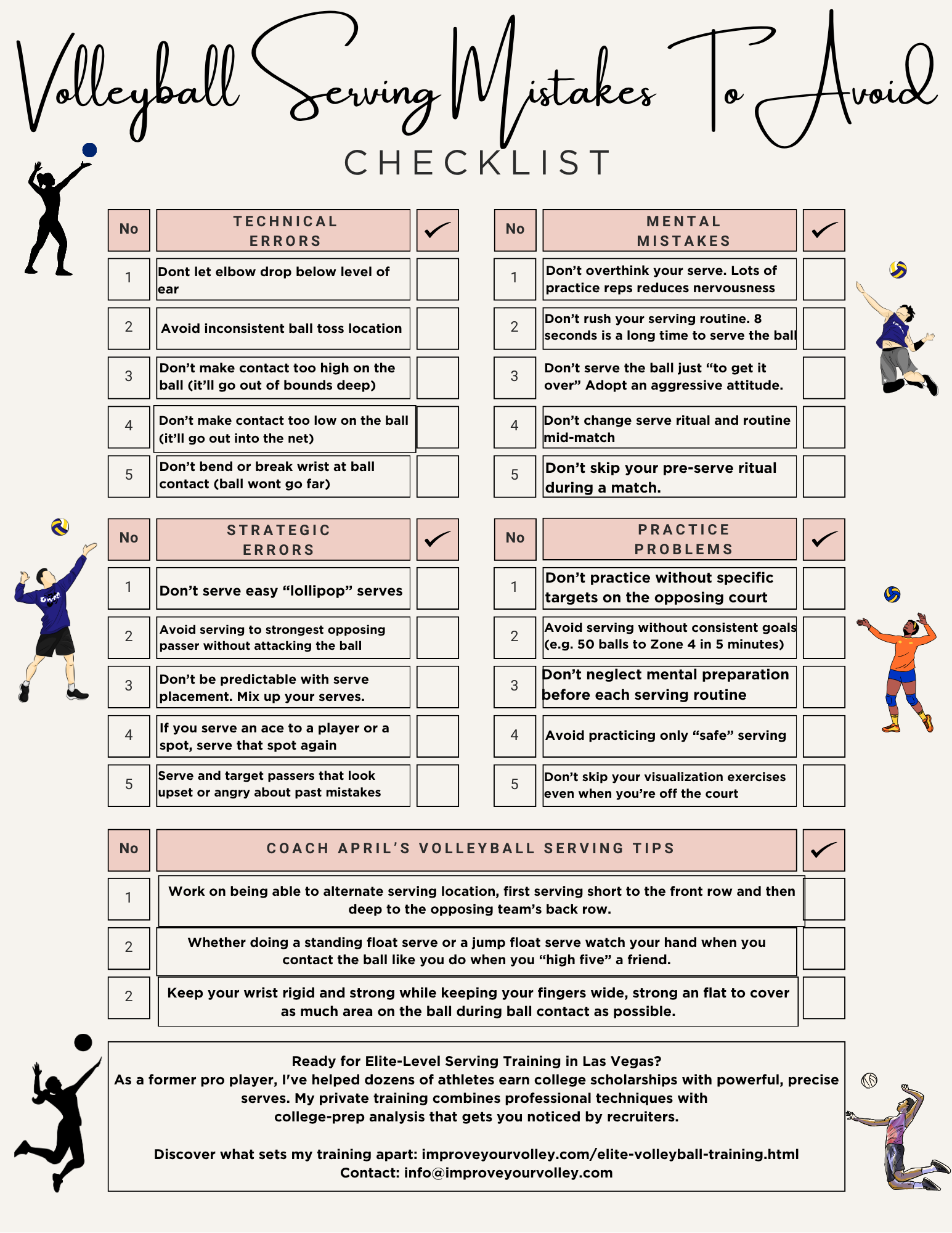
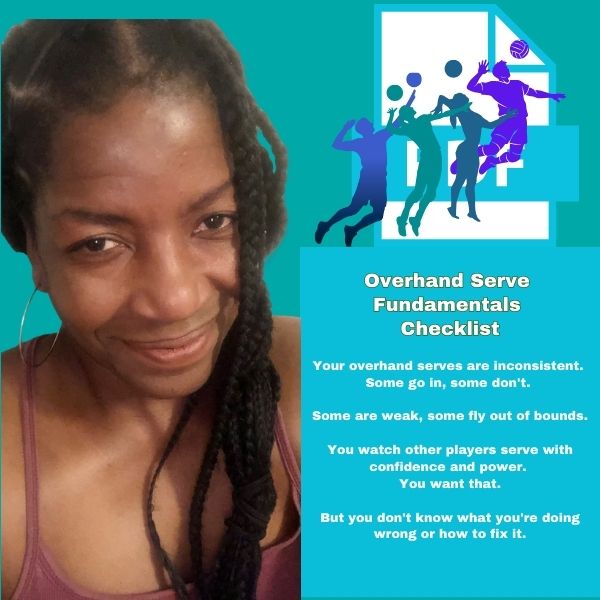
Complete Beginner Serving System: The Ultimate Support System for Beginners
Click to Download Your Pre Serving Ritual Mastery Checklist pdf:
🎯Volleyball Pre Serving Ritual Guide - $7
Transform Your Serve from Weak to Weapon
Stop letting pressure situations destroy your serves?
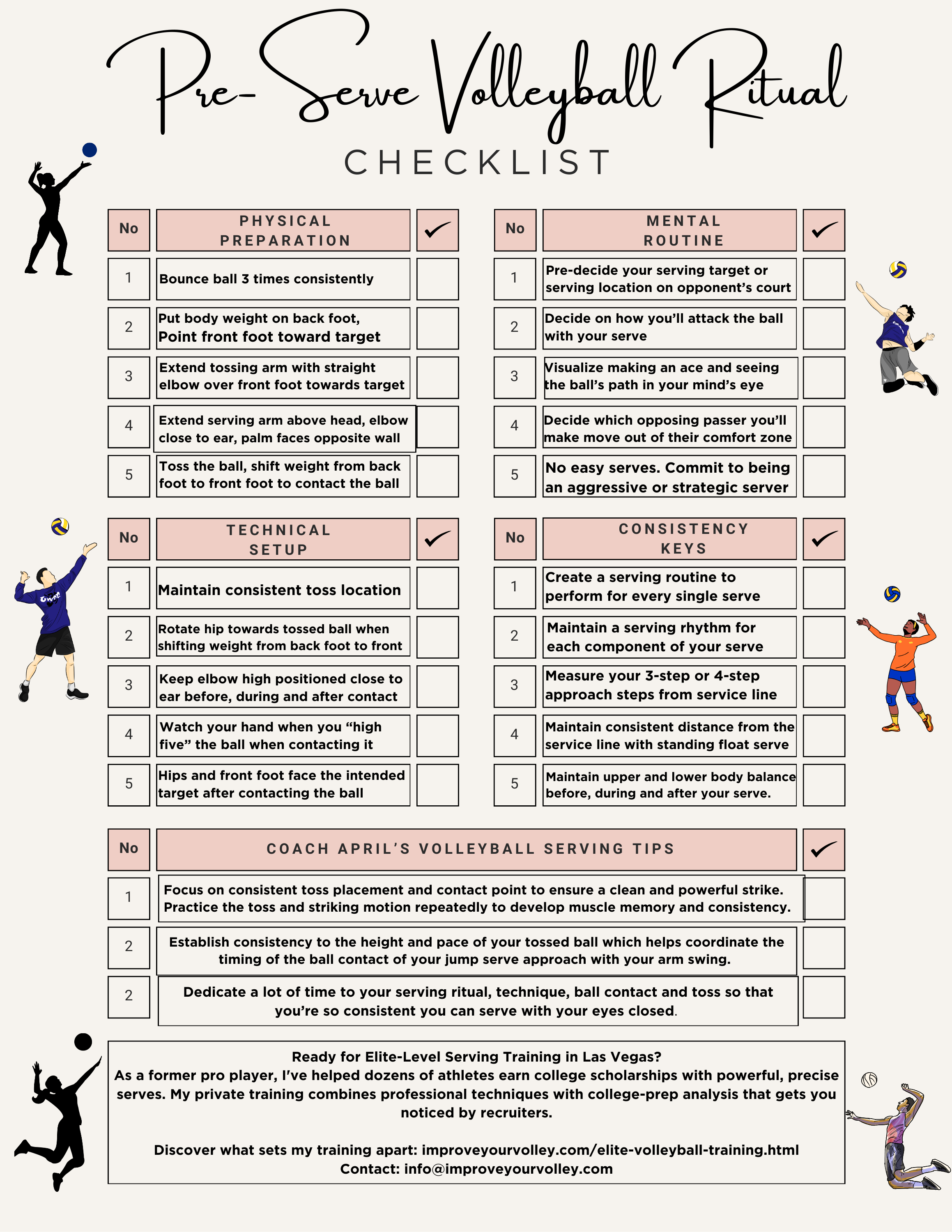
You'll Get
- ✓3-bounce physical preparation setup system
- ✓Mental routine for target pre-selection and visualization
- ✓Technical execution checklist for automatic consistency
- ✓Proven tips for bulletproof toss consistency
- ✓Pressure-proof strategies that eliminate serving errors
Click to Download Your Parent's Volleyball Serving Guide Help Your Player Develop Championship Serves (Even If You've Never Played) Checklist pdf:
🎯Parent's Volleyball Serving Guide Help Your Player Develop Championship Serves Guide - $7
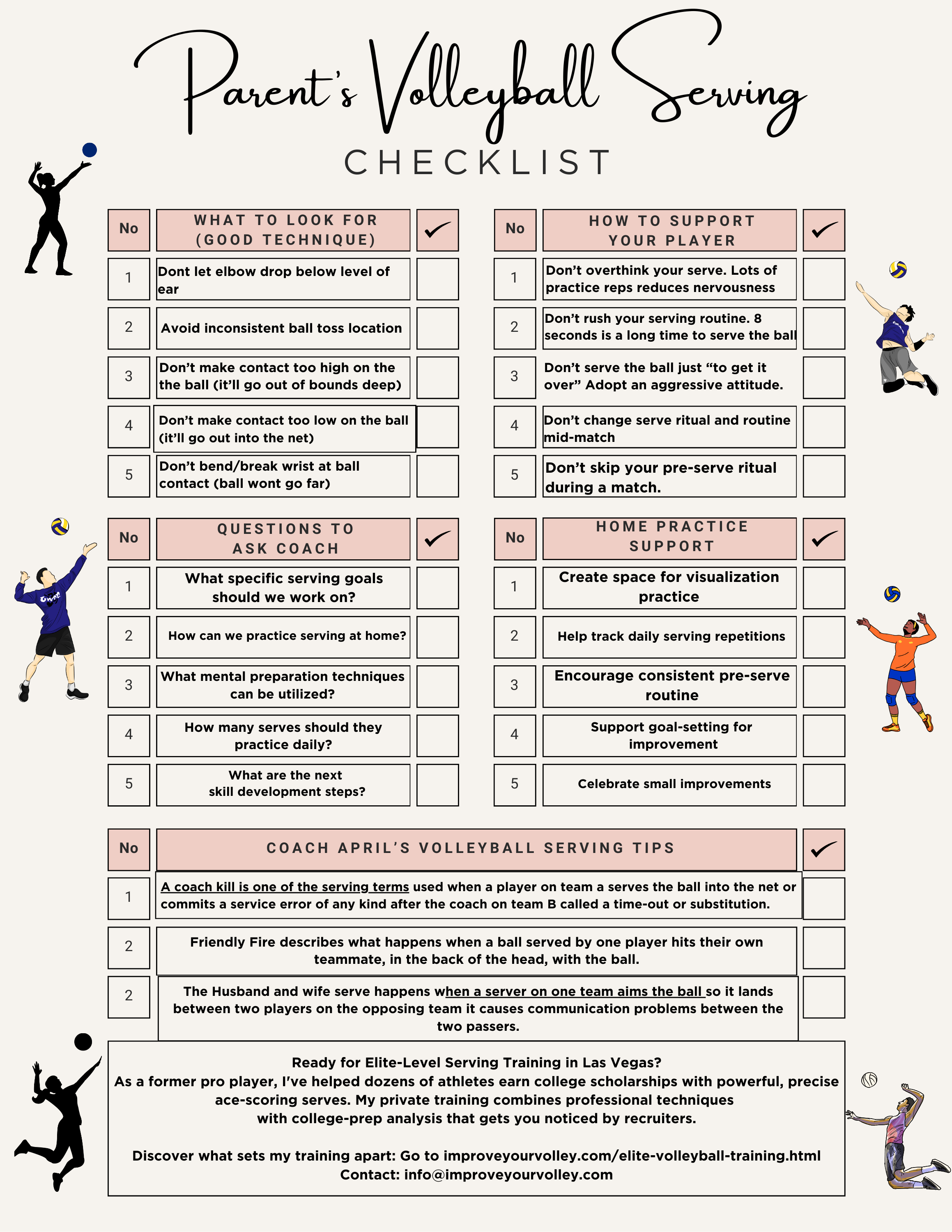
You'll Get:
✓Learn exactly what to look for in your player's serving form so you can provide meaningful feedback.
✓Discover how to provide encouragement that actually improves performance and mental toughness.
✓Know exactly what to ask coaches to show you're engaged and help your player develop properly.
✓Simple, effective drills that don't require a gym or expensive equipment.
✓Understand the language coaches use so you can better support your player's development.
✓Help your player develop the psychological aspects of serving that many coaches don't have time to address.
From Lady Vol to Legend: Coach April Produces Powerful Passionate Players...is that you?
What Are You Looking For?
Click to Download Your Pre Serving Ritual Mastery Checklist pdf:
🎯Volleyball Pre Serving Ritual Guide -
Players! Learn How To Transform Your Serve from Weak to Weapon
Click to Download Your Parent's Volleyball Serving Checklist pdf
🎯Parent's Volleyball Serving Checklist Guide
Parents! Help Your Player Develop Championship Serves (Even If You've Never Played)
Hi there!
Thanks for stopping by. Hope you learned something today that will help you reach your volleyball goals.
Be sure to subscribe to my email newsletter so you can learn more each week!
Stay strong! Stay motivated!
-Coach April

SUSCRIBE to my email newsletter below!

 Click to learn more about the weekly volleyball classes and clinics or email info@imrpoveyourvolley.com for information
Congratulations to my seven Boys-18s Vegas Volley club players who played in two state championship finals yesterday, the 3A and 5A State champinship finals at Sunrise Mountain High School.
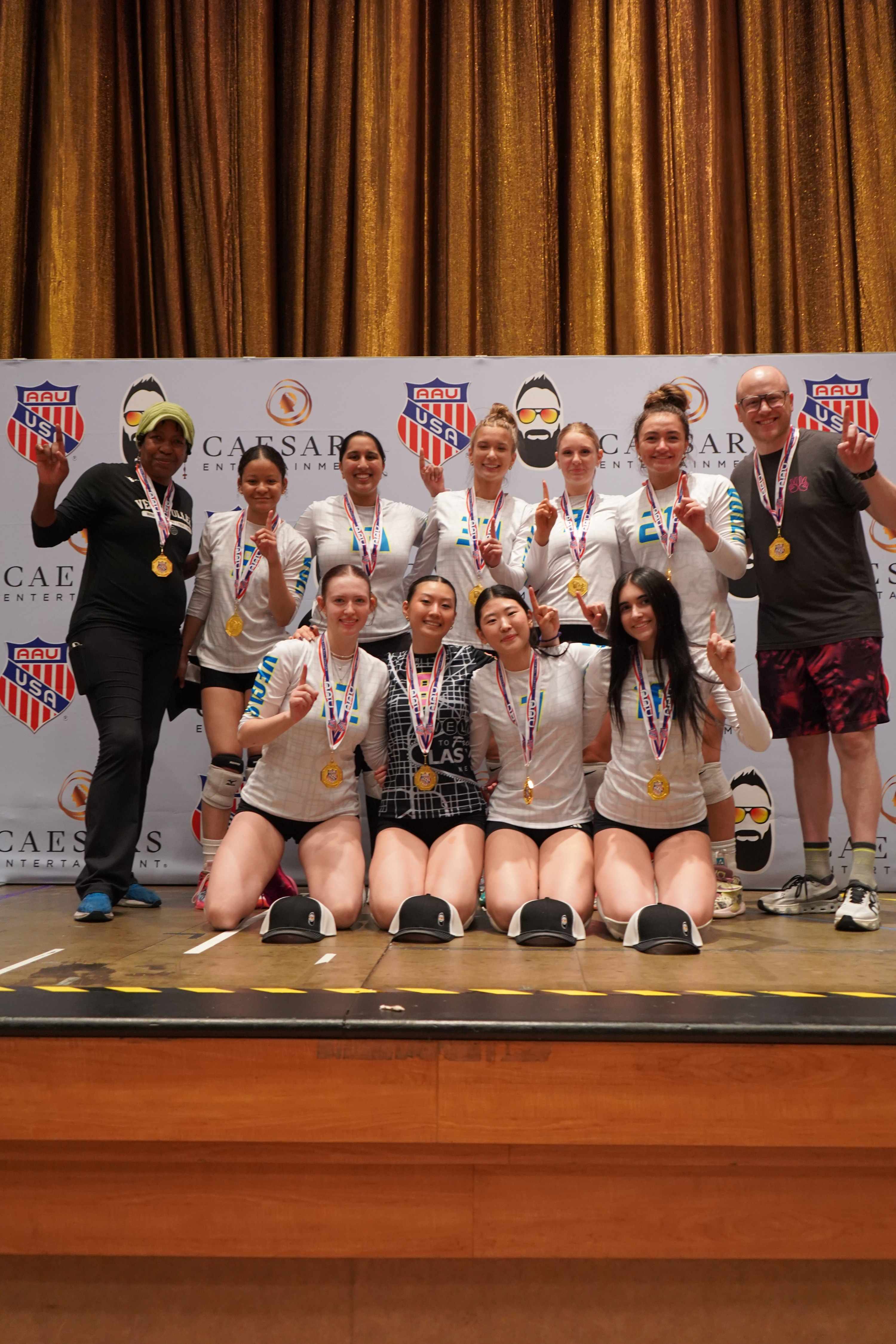
TOURNAMENT CHAMPIONS!
A-1 Vegas Volley VBC
In It To Win It Tournament
May 2 - 4, 2025 Tournament
Gold Medalists
18s Premier Division
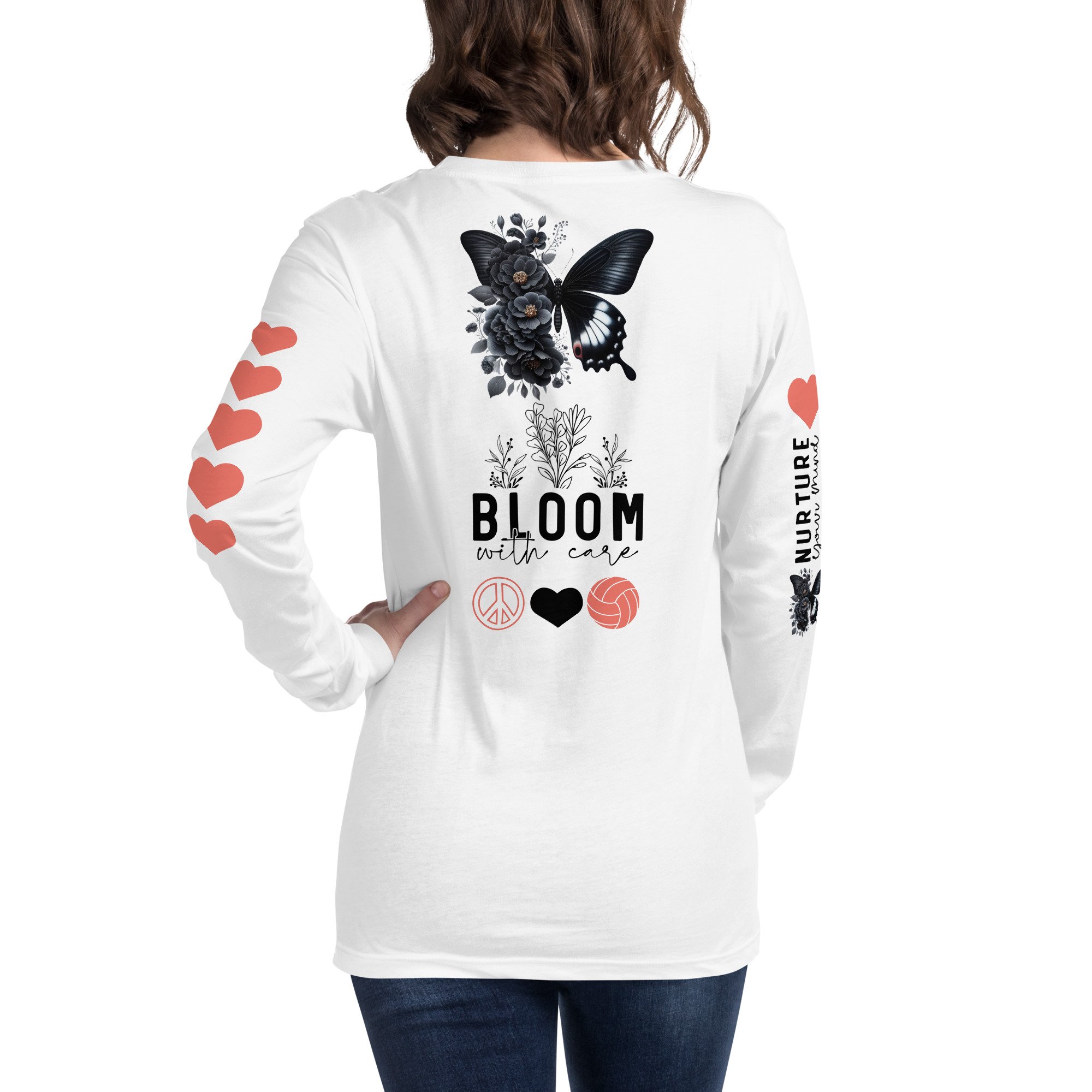
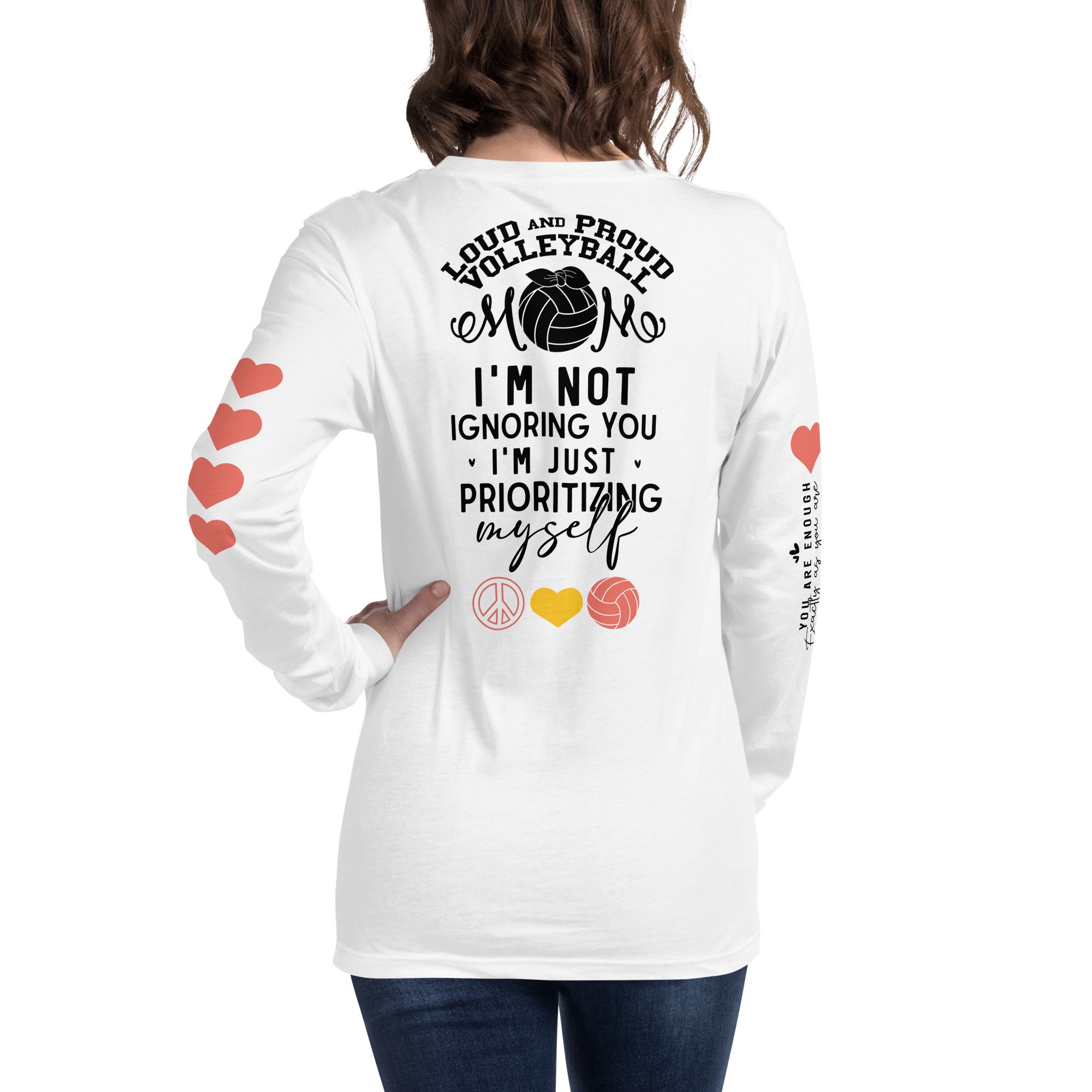
Vegas Volleyball's Unsung Heroes: Celebrating Moms with Peace Love Volleyball Shirts



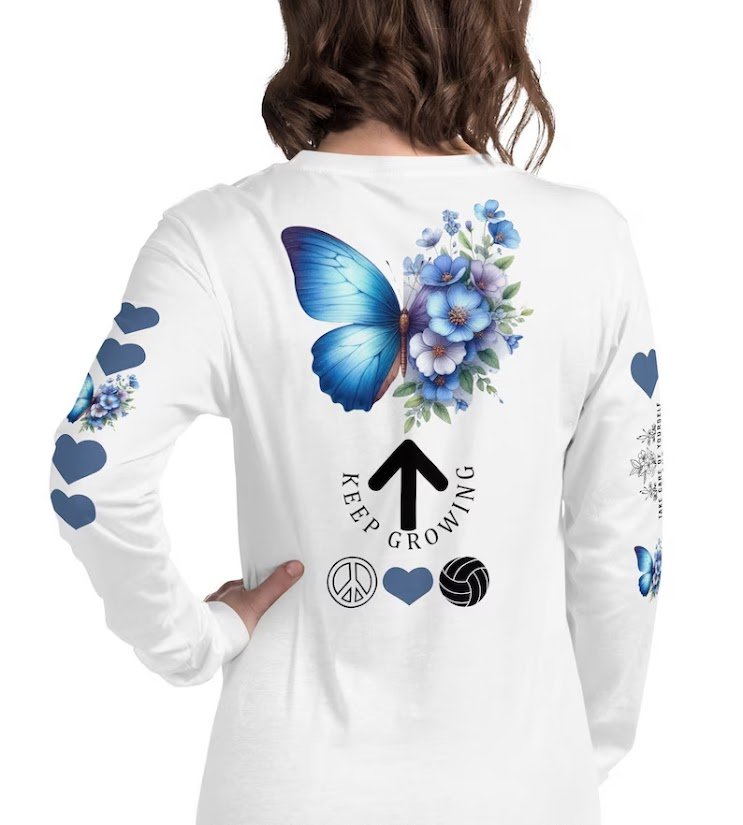
Ready to energize your volleyball mom journey?
Subscribe to my 'Producing Powerful Passionate Peaceful Players' email list above on ImproveYourVolley.com.
You'll receive energy-boosting tips, exclusive insights from me, Coach April Chapple on maintaining momentum in volleyball.
Let's power up the Vegas volleyball scene together!




Recent Articles


-
What Is Block In Volleyball A Step By Step Beginner Blocking Tutorial
Jul 03, 26 04:25 PM
 This is my ultimate what is blocking in volleyball guide of 12 actions to take before, during and after your team hits the ball over the net.
 -
How To Block Volleyball Blocking The Correct Ready Position
Jul 03, 26 04:23 PM
 how to block volleyball
 -
Mizuno Wave Volleyball Shoes Have Styles For Specific Player Positions
Jul 03, 26 03:02 PM
 The Mizuno Wave volleyball shoes include styles Mizuno Wave Lightning, Wave Bolt, Wave Tornado, Wave Voltage, Wave Momentum, Wave Supersonic and Wave Luminous