- Improve Your Volleyball Home
- Coach April's Peace Love Volleyball Mom Shirt Ideas Spring Into Vegas
- Volleyball Training Shop Small Business
- Volleyball Setting Checklists
- Tips For Short Volleyball Players
- The Volleyball Checklist
- Volleyball Consulting For Coaches and Clubs
- How To Coach Girls Volleyball
- Sayings and Quotes
- Sayings and Quotes

How To Practice Volleyball Alone: Solo Drills That Build Real Skills
Learn how to practice volleyball alone with wall drills, progressions and weekly one-player training schedules to improve passing, setting, serving & hitting.
Want these drills organized into a weekly schedule? Check out our [4-Week Volleyball Workout Plan].
Want to improve your volleyball skills but don't have a team or partner available to practice with?
You're not alone—and the good news is some of the BEST training happens when you're by yourself.
Here are the exact solo drills I give my players to practice at home. These are the same drills that helped hundreds of my athletes improve their passing accuracy, setting consistency, serving power, and hitting technique—all without needing a coach, teammate, or even a net.
All you need is a volleyball, a wall, and 20-30 minutes a day.
Let's get started.
Want these drills organized into a weekly schedule?
Check out my 4-Week Volleyball Workout Plan.
If your athlete struggles with consistent serve receive, gets subbed out, or is overlooked for playing time—this is the fix you’ve been looking for.
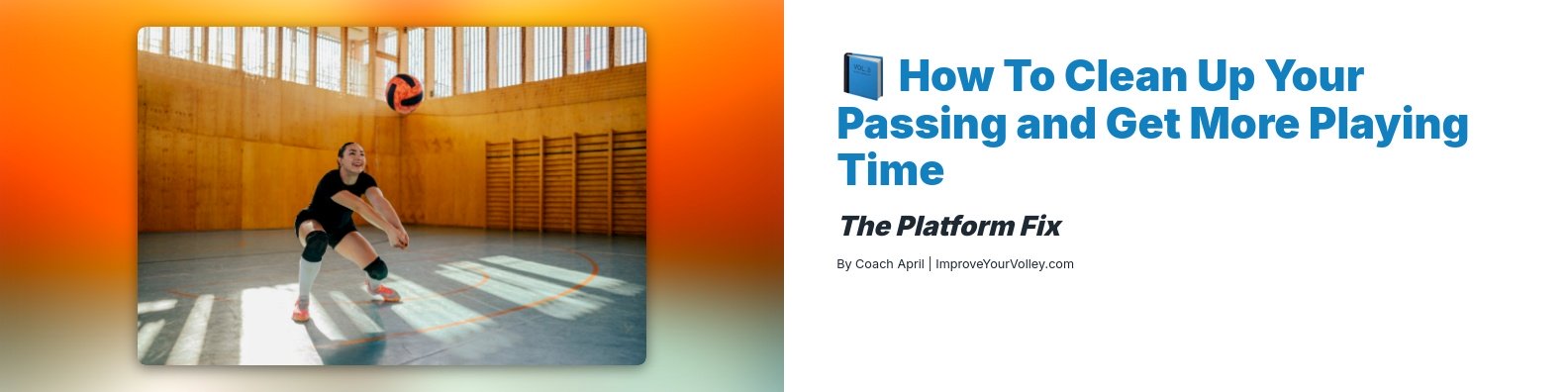
Struggling with passing consistency?
I help talented passers tired of getting pulled from games because of inconsistent serve receive skills BUILD passing confidence without expensive private lessons using the same 3-step system that's helped dozens of my athletes get recruited.
Download my eBook for $17.99 and start building the passing confidence that keeps you on the court—and gets you seen by college coaches.
Your 25-Minute Solo Practice Routine (Do This Today)
This schedule works great for solo practice.
If you want more variety, see my 12 Drills to Improve Volleyball Skills or learn more about Ways to Improve Volleyball Skills.
Don't know where to start?
Here's exactly what to do in your next solo session:
Minutes 0 - 10: Wall Passing (150 reps)
- Three (3) sets of 50 reps, five (5) feet from wall
- Focus on platform angle and target accuracy
- Works in a garage, driveway, or any wall space
Minutes 10 - 15: Wall Setting (60 reps)
- Two (2) sets of 30 reps to a target (basketball hoop or wall mark)
- Focus on hand shape and wrist snap
Minutes 15 - 20: Serving (20 reps)
- If you have court access: serve to zones
- No court? Serve against a wall or into a net in your yard
- Track how many land in your target area
Minutes 20 - 25: Approach Footwork (30 reps)
- No ball needed—just practice your footwork pattern
- Left - right - left (or right-left-right for lefties)
- Add arm swing on last ten (10) reps
That's it. 25 minutes. No partner needed. Repeat 5 days a week.
Now let's break down each skill in detail...
Semi-private training client Amani works on this wall setting drill while on one knee working on building arm strength and set accuracy with alternating one -hand sets
How To Do Wall Passing Drills
At-Home By Yourself
My tips on How to do wall passing drills...
Volleyball wall passing and wall setting drills can be done daily at home with a goal of at least 250 - 500 reps of various drills to keep your
- passing or setting technique,
- angled platform work,
- ball contacting skills and
- control of the ball.....extremely sharp!
Pick a brick, a specific spot on the wall or mark a big X in chalk on a wall or use a basketball net or backboard ...no matter what you decide to use as your target... anybody walking by.... should be able to see exactly where the spot is that you are aiming for EVERY...single....time .
Do 3 to 5 sets of 100... five feet from the wall ....then side step two feet and repeat. Then step back and repeat.
Complete 300 to 500 passing repetitions
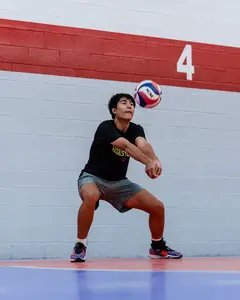
Set up a target against a wall and practice passing the ball with accuracy and control.
Solo setting works anywhere. Use a basketball hoop at a park, a chalk mark on your garage wall, or even a tree branch as your target. All you need is ten (10) feet of clear space.
Use wall drills to help build focus on using the correct form and to learn how to pass the ball consistently to the target.
This drill will help you develop better ball control and accuracy in your passing.
How To Do Wall Passing Drills At Home (Solo, No Partner Needed)
Here are some volleyball drills for youth that you can do at home or in practice with a friend or teammate you are working out with at home or on their own or even during an open gym at your school.
Watch as Kenny and Jaylen work on controlling the ball to a consistent spot on the wall and then control the ball to themselves, then finally they control the ball to each other...repeatedly.
Can You Check These Boxes?
Passing Self-Assessment
After every wall passing session, honestly evaluate yourself:
- ☐ My platform stays flat through the entire pass
- ☐ The ball contacts both forearms simultaneously
- ☐ My shoulders stay square to my target
- ☐ My follow-through points directly at my target
- ☐ I can hit my target 8 out of 10 times
Are you struggling to check all five boxes?
You're not alone. Most players practice without knowing if they're building good habits or bad ones.
- That's exactly why I created the Volleyball Passing Skills Checklist Bundle—it includes a complete self-assessment system, a 4-week progression schedule and a daily practice tracker so you KNOW you're improving, not just hoping you are
Semi-private training client Amani works on this wall setting drill while on one knee working on building arm strength and set accuracy with alternating one -hand sets.
Your 4-Week Solo Volleyball
Wall Passing Progression
Week 1: Foundation Building (15 minutes/day)
- 3 sets of 50 reps, 5 feet from wall
- Focus: Platform angle and ball contact point
- Goal: 6/10 passes hit target consistently
Week 2: Accuracy & Control (20 minutes/day)
- 3 sets of 50 reps, 5 feet from wall
- Add: Side-step 2 feet, repeat set
- Goal: 7/10 passes hit target from multiple positions
Week 3: Movement & Angles (25 minutes/day)
- 4 sets of 50 reps
- Add: Pass at angles (left, right, center)
- Step back to 8 feet from wall
- Goal: 8/10 passes hit target with movement
Week 4: Game Speed Simulation (30 minutes/day)
- 5 sets of 50 reps at varying distances
- Quick-reflex passing (faster wall returns)
- Random movement between reps
- Goal: 8/10 passes under pressure conditions
Track your progress: Write down your daily accuracy percentage. You should see measurable improvement every 3 - 4 days.
Position-Specific Focus:
Liberos & Defensive Specialists
My tips on How to do wall passing drills...
Volleyball wall passing and wall setting drills can be done daily at home with a goal of at least 250 - 500 reps of various drills to keep your
- passing or setting technique,
- angled platform work,
- ball contacting skills and
- control of the ball.....extremely sharp!
Pick a brick, a specific spot on the wall or mark a big X in chalk on a wall or use a basketball net or backboard ...no matter what you decide to use as your target... anybody walking by.... should be able to see exactly where the spot is that you are aiming for EVERY...single....time .
Do 3 to 5 sets of 100... five feet from the wall ....then side step two feet and repeat. Then step back and repeat.
Complete 300 to 500 passing repetitions
If you're a defensive player, spend 70% of your solo training time on passing and digging drills.
Your passing consistency is what gets you on the court—coaches notice liberos who can pass a 3.0 or better every single time.
Add these libero-specific variations:
- Low passes (simulate hard-driven attacks)
- Passes from a defensive shuffle position
- One-arm emergency passes (yes, practice these!)
Want the complete libero training checklist? It's included in our Volleyball Passing Bundle with position-specific drills for every defensive situation you'll face in games.
How To Practice Setting Alone
To improve your volleyball skills and support your teammates, you can work on your setting technique.
Find a target, such as a basketball hoop, (this works in a driveway, garage, or basement) and practice setting the ball accurately towards the target.
Concentrate on using proper hand positioning and giving your teammates a set they can work with.
Practicing your setting skills will make you a more reliable teammate and improve your ability to assist others during games.
Practicing your setting skills will make you a more reliable teammate and improve your ability to assist others during games. Watch as Anais does her wall setting with footwork movement during one of our private training sessions.
Can You Check These Boxes?
Setting Self-Assessment
- ☐ My hands form a triangle/window above my forehead
- ☐ I contact the ball with my fingertips, not my palms
- ☐ My wrists snap through the ball on release
- ☐ The ball comes off both hands simultaneously
- ☐ My sets are consistent enough that hitters trust me
Your 4-Week Volleyball Setting Progression
Week 1: Hand Position & Touch (15 minutes/day)
- Wall setting: 3 sets of 30 reps
- Focus: Proper hand shape and soft touch
- Goal: Ball doesn't spin when it leaves your hands
Week 2: Target Accuracy (20 minutes/day)
- Basketball hoop setting: 3 sets of 30 reps
- Add: Set from different positions around the key
- Goal: 7/10 sets go through the hoop (works in a driveway, garage, or basement)
Week 3: Height & Distance Control (25 minutes/day)
- 4 sets of 30 reps to various targets
- Practice high sets, quick sets, back sets
- Goal: Consistent height on every set type
Week 4: Game Simulation (30 minutes/day)
- Set after a self-toss pass (simulate game conditions)
- Move between sets like you would in a game
- Goal: 8/10 accurate sets under movement
Position-Specific Focus: Setters
If you're a setter, you need hand-strengthening exercises in addition to setting reps.
Squeeze a rubber stress ball or even better a tennis ball 100 times per hand daily. Do fingertip push-ups. These small exercises make a HUGE difference in your setting control.
Check out my Training Equipment List for affordable hand-strengthening tools that actually work—no expensive equipment needed.
Want to master setter-specific footwork and coverage positioning? The Volleyball Setting Checklist Bundle includes 6 different checklists covering every setting situation, plus a 4-week at-home progression schedule specifically for setters.
While other players might get a break between contacts, setters must be ready to handle the second contact of every rally, turning less-than-perfect passes into hittable balls that give their attackers the best chance to score.
Whether the pass is perfect or off-target (also called "out-of-system"), it's the setter's job to chase down every second ball and create scoring opportunities for their team.
How To Practice Serving Without a Setter (Solo Approach Drills)
Here's why serving is the BEST skill to practice alone:
You control everything. The toss. The contact. The target. The outcome.
While your teammates may need a partner to practice passing or setting, you can become a serving ace completely on your own.
Quick Serving Progression to Add To Your Weekly Training
Consistency First (Week 1-2):
- 25 serves per session
- Goal: 9/10 serves in the court
Don't worry about power yet—just consistency
Target Zones (Week 3-4):
- 30 serves per session
- Divide the court into 6 zones
- Goal: 5 serves to each zone, 7/10 accuracy
Power + Placement (Ongoing):
- 30-40 serves per session
- Target specific players (imagine weak passers)
- Alternate: deep corners, short serves, line serves
- Goal: Make every serve difficult to pass
Pro tip:
- Keep a serving journal. Track your accuracy percentage weekly.
I've seen players go from 60% accuracy to 90% in just one month of tracked, intentional practice.
Want a complete serving checklist system?
It's included in my Volleyball Skills Checklist Bundle with serve-receive positioning strategies and serving zone targets.
Solo Spiking & Approach Practice
How To Practice Hitting
Without a Setter
To be more confident in taking risks during crucial moments in games, focus on improving your spiking skills.
Set up a target or a net (solo drills are designed to work in a driveway, garage, or basement or in a large bedroom with a decently high ceiling) and practice your approach and spiking technique.
Work on hitting the ball with power and accuracy, targeting specific spots on the court.
By practicing your spiking on your own, you'll become more comfortable and assertive in taking risks during games.
Can You Check These Boxes? Spiking Self-Assessment
- ☐ My approach is consistent (same footwork every time)
- ☐ I jump off both feet with maximum power
- ☐ My arm swing is fast and follows through completely
- ☐ I can hit different spots on the court intentionally
- ☐ I make contact at the highest point of my jump
Your 4-Week Solo Volleyball
Spiking & Approach Progression
Week 1: Approach Footwork Foundation (15 minutes/day)
- Practice approach footwork WITHOUT a ball: (this can be done a small space like in a driveway, garage, or basement) 3 sets of 10 reps
- Focus: Left-right-left rhythm (or right-left-right for lefties)
- Add arm swing mechanics (no ball)
- Goal: Consistent footwork pattern every single time
Week 2: Approach + Contact (20 minutes/day)
- Self-toss and approach: 3 sets of 10 reps
- Focus: Timing your jump with the toss
- Contact the ball at highest point
- Goal: Solid contact 8/10 times
Week 3: Target Accuracy (25 minutes/day)
- Set up targets (cones, towels, boxes) on court or against a wall (works in a driveway, garage, or basement)
- 4 sets of 10 approaches hitting to specific targets
- Alternate targets: line, angle, deep corner
- Goal: Hit your intended target 6/10 times
Week 4: Power + Pressure Simulation (30 minutes/day)
- Full approach with maximum power: 5 sets of 10 reps
- Create pressure: "I MUST hit 7/10 to this target or I repeat the set"
- Practice game-speed approaches
- Goal: Consistent power and accuracy under self-imposed pressure
Position-Specific Focus: Hitters
Outside Hitters: Spend extra time on hitting sharp angles and high line shots. These are your bread-and-butter points.
Opposites: Practice hitting from the right side with both line and angle options. Master the back-row attack—it's a weapon most opposites underutilize.
Middles: Your game is about SPEED. Practice quick approaches and fast arm swings. Work on reading the setter's hands so you're already in the air when the ball arrives.
Want position-specific attack drills and checklists?
Everything is broken down by position in our 100 Good Volleyball Tips ebook—including video demonstrations of approach variations for every position.
How To Practice Defensive Skills By Yourself Without a Partner
When you're not touching the ball in games, you can still contribute to your team's success by improving your defensive skills.
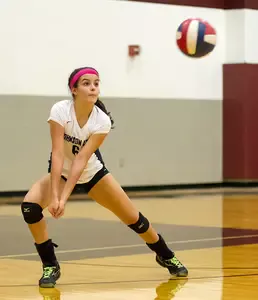
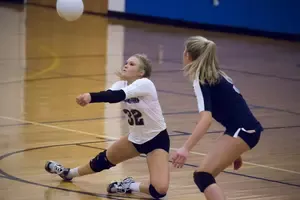
Use a wall to practice your digging technique. Focus on moving quickly to the anticipated landing spot of the ball and using the correct form to dig the ball up.
By honing your defensive skills, you'll be able to provide better coverage for your team and increase the likelihood of winning rallies.
Quick Digging Progression
(Add to Your Weekly Training):
Week 1-2: Reaction Time
- Stand 10 feet from a wall
- Toss ball hard against wall, react and dig
- 3 sets of 20 reps
- Goal: Control the dig, don't just react wildly
Week 3-4: Movement + Digging
- Add lateral movement before the dig
- Shuffle left, dig. Shuffle right, dig.
- 4 sets of 20 reps
- Goal: Low platform, controlled dig to target
Solo Defensive Drills:
Practice Defensive Skills
Without a Partner
The roll or barrel roll is one of the several acrobatic individual defense techniques you can use to collapse to the ground after finishing a volleyball dig that takes you off balance.
When you're not touching the ball in games, you can still contribute to your team's success by improving your defensive skills.
Use a wall or a small area in your backyard to practice your digging technique on your own.
Focus on moving quickly while staying low to the anticipated landing spot of the ball and using the correct form to dig the ball up.
By honing your defensive skills, you'll be able to provide better coverage for your team and increase the likelihood of winning rallies.
The roll or barrel roll is one of the several acrobatic individual defense techniques you can use to collapse to the ground after finishing a volleyball dig that takes you off balance.
Practice this at home:
Watch video of yourself in games. How early do you start moving to the ball? Elite defenders are moving before the hitter even contacts the ball.
Study defensive positioning in my Volleyball Passing Checklist Bundle—it includes court diagrams showing exactly where to position yourself based on hitter tendencies.
Practice Defensive Skills
Without a Partner
When you're not touching the ball in games, you can still contribute to your team's success by improving your defensive skills.
Set up a training partner or work in a driveway, garage, or basement to practice your digging technique.
Focus on moving quickly to the anticipated landing spot of the ball and using the correct form to dig the ball up.
Position-Specific Focus:
Defensive Specialists & Liberos
Your entire role is about what you do when you DON'T have the ball:
- Reading hitters' approach angles
- Anticipating where the ball will be hit
- Communicating coverage responsibilities
- Moving BEFORE the ball is contacted
Practice this at home in a driveway, garage, or basement:
Watch video of yourself in games. How early do you start moving to the ball? Elite defenders are moving before the hitter even contacts the ball.
Study defensive positioning in our Volleyball Passing Checklist Bundle—it includes court diagrams showing exactly where to position yourself based on hitter tendencies.
SECTION 6: Your Complete Solo Training Schedule
Week-by-Week Solo Practice Plan
All these drills can be done in a driveway, garage, basement, or any space with a wall and 10-15 feet of clearance. No gym required.
WEEK 1: Foundation Building (20-25 min/day, 5 days/week)
- Wall passing: 150 reps
- Wall setting: 90 reps
- Serving: 20 reps
- Approach footwork (no ball): 30 reps
- Focus: Proper technique, not speed
WEEK 2: Accuracy & Control (25-30 min/day, 5 days/week)
- Wall passing with movement: 200 reps
- Target setting: 100 reps
- Serving to zones: 25 reps
- Approach + contact: 30 reps
- Focus: Hitting your targets consistently
WEEK 3: Speed & Game Situations (30-35 min/day, 5-6 days/week)
- Quick-reflex wall drills: 250 reps
- Rapid-fire setting: 120 reps
- Power serving: 30 reps
- Full approach with targets: 40 reps
- Defensive movement drills: 15 minutes
- Focus: Simulating game speed and pressure
WEEK 4: Performance Testing (35-40 min/day, 6 days/week)
- All drills at game speed
- Self-imposed pressure scenarios
- Track accuracy percentages
- Film yourself and review technique
- Focus: Measuring improvement and identifying gaps
Download the complete printable 4-week schedule, daily practice tracker, and skills assessment checklists in our Volleyball Training Checklist Bundle.
What Results Should You Expect?
- After Week 1:
Noticeable improvement in technique and consistency
- After Week 2:
Increased accuracy and confidence in your skills
- After Week 3:
Faster reactions and better game-speed performance
- After Week 4:
Measurable improvement you can see in practices and games
Training Equipment for Solo Practice
You don't need expensive equipment to improve, but a few smart investments make a difference:
- Quality volleyball (not the cheap ones that feel like rocks)
- Resistance bands for arm strength and approach power
- Agility ladder for footwork (or just use tape on the floor)
- Volleyball knee pads that actually protect (cheap ones don't)
Check out my complete Training Equipment List where I share exactly what I use with my players—budget-friendly options that actually work just honest advice from 20+ years of coaching.
Ready to Take Your Solo Training to the Next Level?
Ready to Take Your Solo Training to the Next Level?
- ✓ Volleyball Skills Checklist Bundle Complete self-assessment system for all skills
- ✓ 100 Good Volleyball Tips Ebook - Video demonstrations and position-specific drills
- ✓ Volleyball Passing Bundle - 6 passing checklists with progressive training plans
Do You Follow Me on Pinterest?

Follow me on Pinterest Volleybragswag to improve your game even faster!
I share alot of individual, partner and easy-to-do volleyball serving drills we do in class with my followers.
Many of these volleyball practice drills you can do at home by yourself or try at your next practice with your teammates.
If you're a B team or JV player trying to make varsity next year...your goal should be to complete 1000 reps a day of at least three of the basic skills on your own...volleyball passing, serving and setting should be at the top of the list.
You might like these pages about at home volleyball drills
Best Volleyball Drills For Setters, Hitters, Liberos, Passers Blockers
Best volleyball drills are essential exercises in the learning process for players to improve your serving, hitting, passing, spiking, setting, blocking skills.
Volleyball Practice Drills For Setting That Non-Setters Do In Practice
Discover my coaching philosophy about why we do certain volleyball practice drills you can do at home to improve your technique and ball control accuracy.
What Is Peppering In Volleyball? A Pregame Defense Ball Control Drill
What is peppering in volleyball? A pregame or practice ball control drill with two players using pass, set, hit variations while keeping the ball off the floor.
Volleyball Digging Drills That Will Help You Keep Balls Off The Floor
We do alot of progressions for volleyball digging drills in our boot camp classes to cover different scenarios from hard hits to balls you need to chase down.
Volleyball Passing Drills To Do To Improve Your Passing In Volleyball
My clients consistently improve their passing skills with my volleyball passing drills including 1 passer vs 1 server, synchronized passing and more pass drills.
13 Ball Control Drills Volleyball Players Use Pepper To Help Defense
One of the first ball control drills volleyball players learn is the pepper drill a warmup drill used to increase and improve your ability to control the ball.
Volleyball Ball Control Drills 5 Ways You Can Practice Basic Skills
These 5 volleyball ball control drills will help you improve your passing setting and hitting technique using reps, wide vision, quickness and ball control
4 Volleyball Blocking Drills Players Learn To Stop Balls At The Net
These are four volleyball blocking drills players learn at our classes and training so that they learn to move quickly while staying close to the net.
7 Youth Volleyball Drills How To Improve Ball Control Skills At Home
I have a series of youth volleyball drills you can use to improve your basic ball control skills like passing, setting and controlled hitting.
Beginner Volleyball Drills You Can Do At Home To Improve Ball Control
These beginner volleyball drills are a series of setting and passing exercises to do to increase your reading and anticipation and your ball control skills.
7 Fun Volleyball Drills To Do At Home, Camp and In Volleyball Practice
Fun volleyball drills we do in Volleyball Voice Boot Camp class which you can do at home to improve your basic volleyball skills including digging and passing.
Hitting and Digging Drills for Volleyball That Help You Play Better
Having problems hitting a ball over the net or digging a ball to your setter? Our hitting and digging drills for volleyball help you improve spiking and digging.

AUTHOR BIO
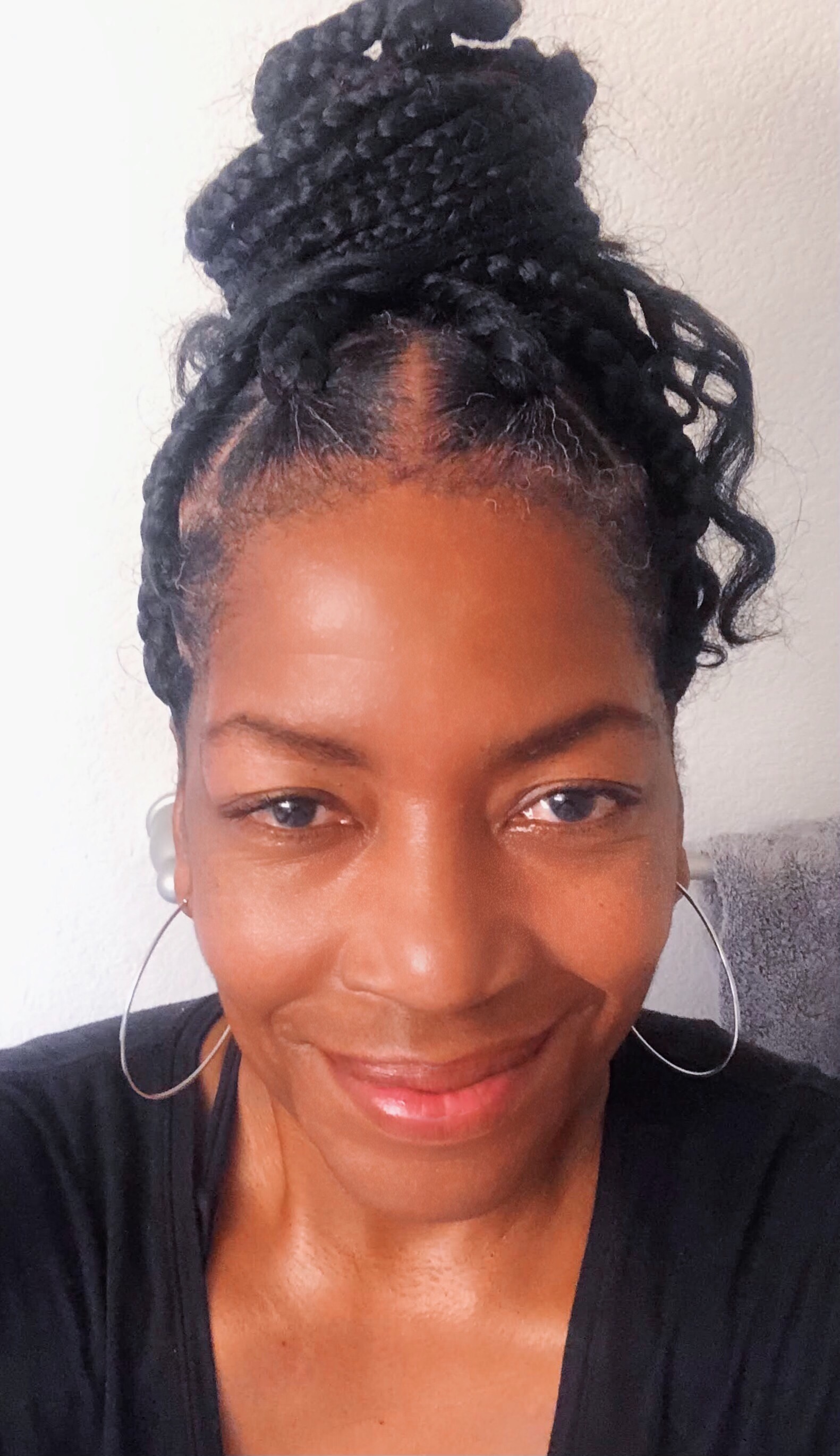
April Chapple is an elite private volleyball trainer, former USA National Team member, and University of Tennessee Hall of Fame inductee who has coached in Las Vegas for 15+ years, training hundreds of athletes and helping numerous players reach college volleyball, including Division I standouts.
She's also the head coach for girls and boys 18s at Squad VBC and offers coaches consulting on technical teaching and player development. Connect with April on LinkedIn or at ImproveYourVolley.com, where her eye for overlooked talent sets her apart.
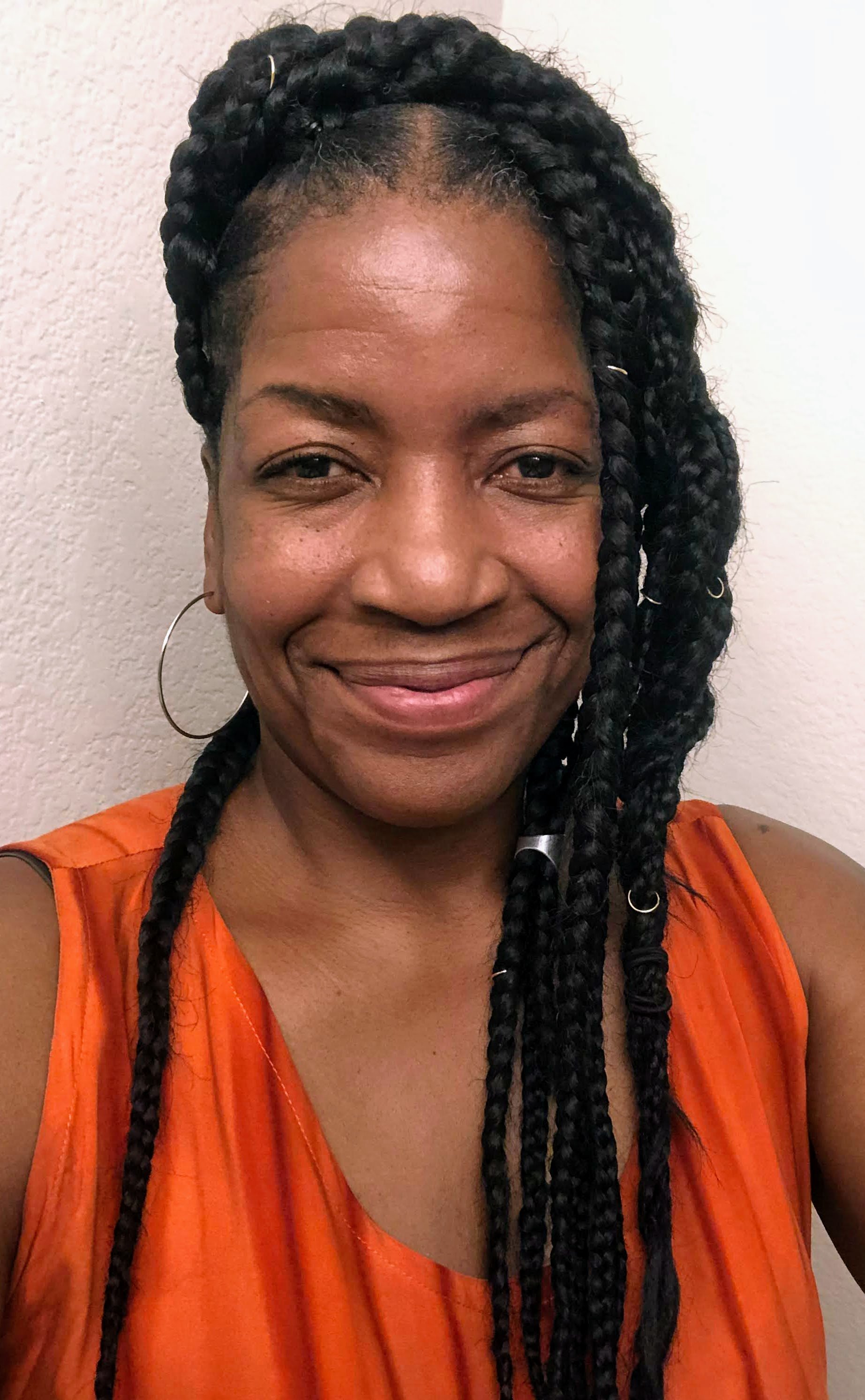
From Lady Vol to Legend: Coach April Honored At UTK Champions Weekend
Lady Vol volleyball legend and record holder Coach April Chapple a University of Tennessee, Knoxville Hall of Fame Inductee, 3-time All American, 3-time SEC Champion, SEC Tournament MVP, 2-time All SEC Team is celebrated with her 1984 SEC champion teammates at Neyland Stadium during Champions Weekend on November 1-2, 2024.

- the first First Round Draft Pick for the first American pro indoor women's league
- named to the first First Team All-Pro team for Major League Volleyball in USA volleyball history
- former USA National team member
- one of the few American women players named as an Italian Pro League D-I Championship Finalist, Italian Cup Finalist and Cup of Cups Tournament Finalist
April Chapple The first First round Draft Pick For Major League Volleyball the first American Women's Pro League Honored At Athlete Unlimited Pro Volleyball Match
Coach April's 2026-27 Private and Semi private Volleyball Training
Pre-Registration now open for 2026-27 Private and Semiprivate Training Sessions with Coach April . Get prepared for club tryouts or train with me during club season!
Email now for information on semiprivate or private indoor skills, individual or small group training volleyball classes and my Breakfast Club for College Players training for 2026-27.
Invest in your improvement while preepping for your next level and college goals while working hard and training smart.
Email me right now to register or for more information.
info@improveyourvolley.com
Affiliate Disclosure
If you make a purchase through a link on my site, I may receive a small commission at no extra cost to you.
As an Amazon Associate, I earn from qualifying purchases. The Amazon Services LLC Associates Program, an affiliate advertising program designed to provide a means for sites to earn advertising fees by advertising and linking to Amazon.com.
I only recommend products that I believe to have good value. Click to read my
Donations Welcome!
If my free social media online training and/or instruction on this site has helped improve your game or meet your goals CLICK the Cash App link below to make a donation!
Thank you!
Can't hire a private trainer?
Get my Targeted Volleyball Checklist Bundles by Skill Level
(only $27 each)
Bundle #1:
Complete Beginner Serving System - $27
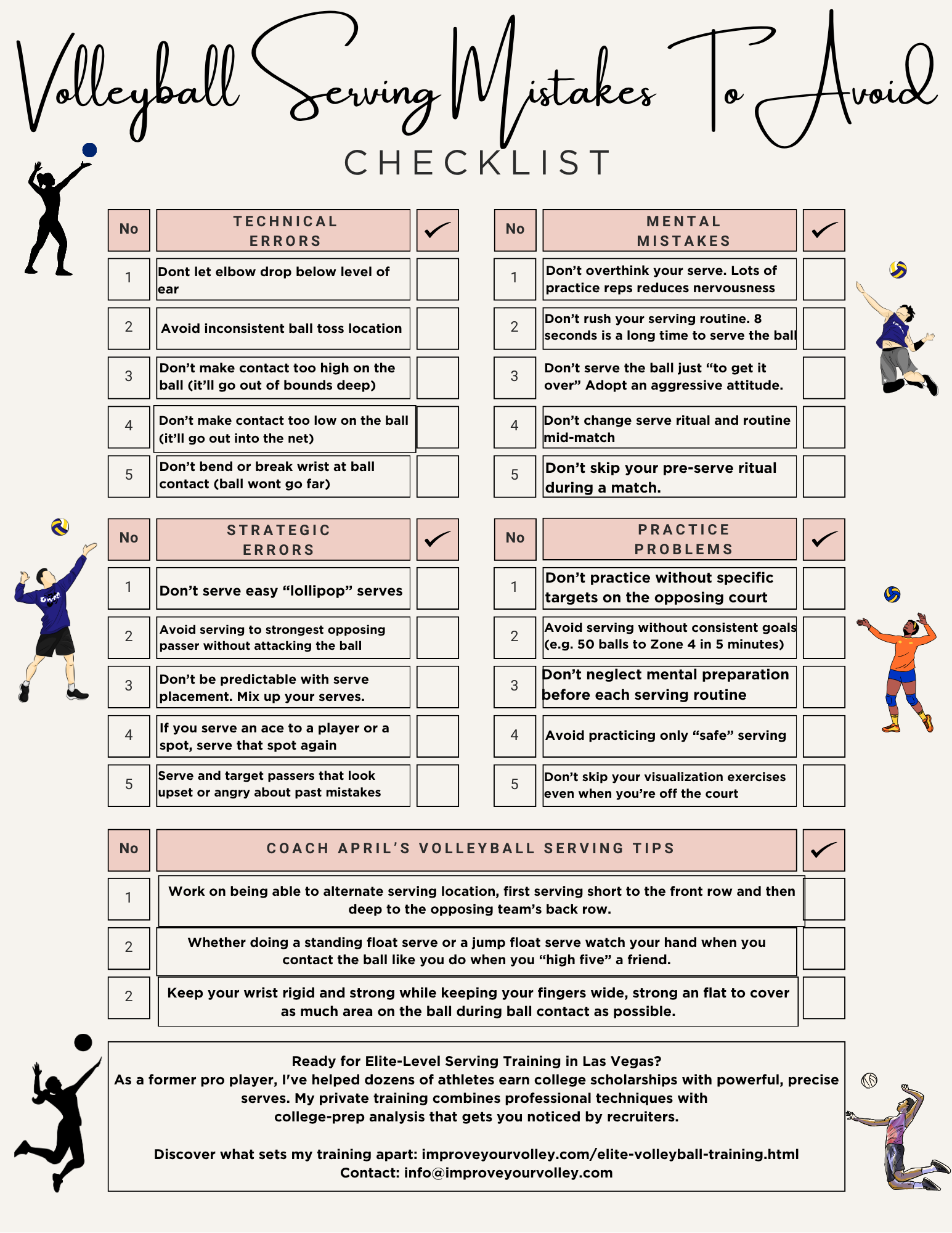
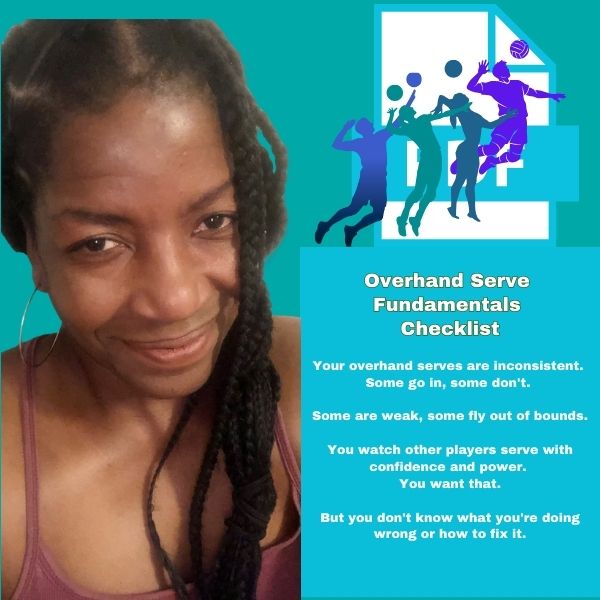
Complete Beginner Serving System: The Ultimate Support System for Beginners
Click to Download Your Pre Serving Ritual Mastery Checklist pdf:
🎯Volleyball Pre Serving Ritual Guide - $7
Transform Your Serve from Weak to Weapon
Stop letting pressure situations destroy your serves?
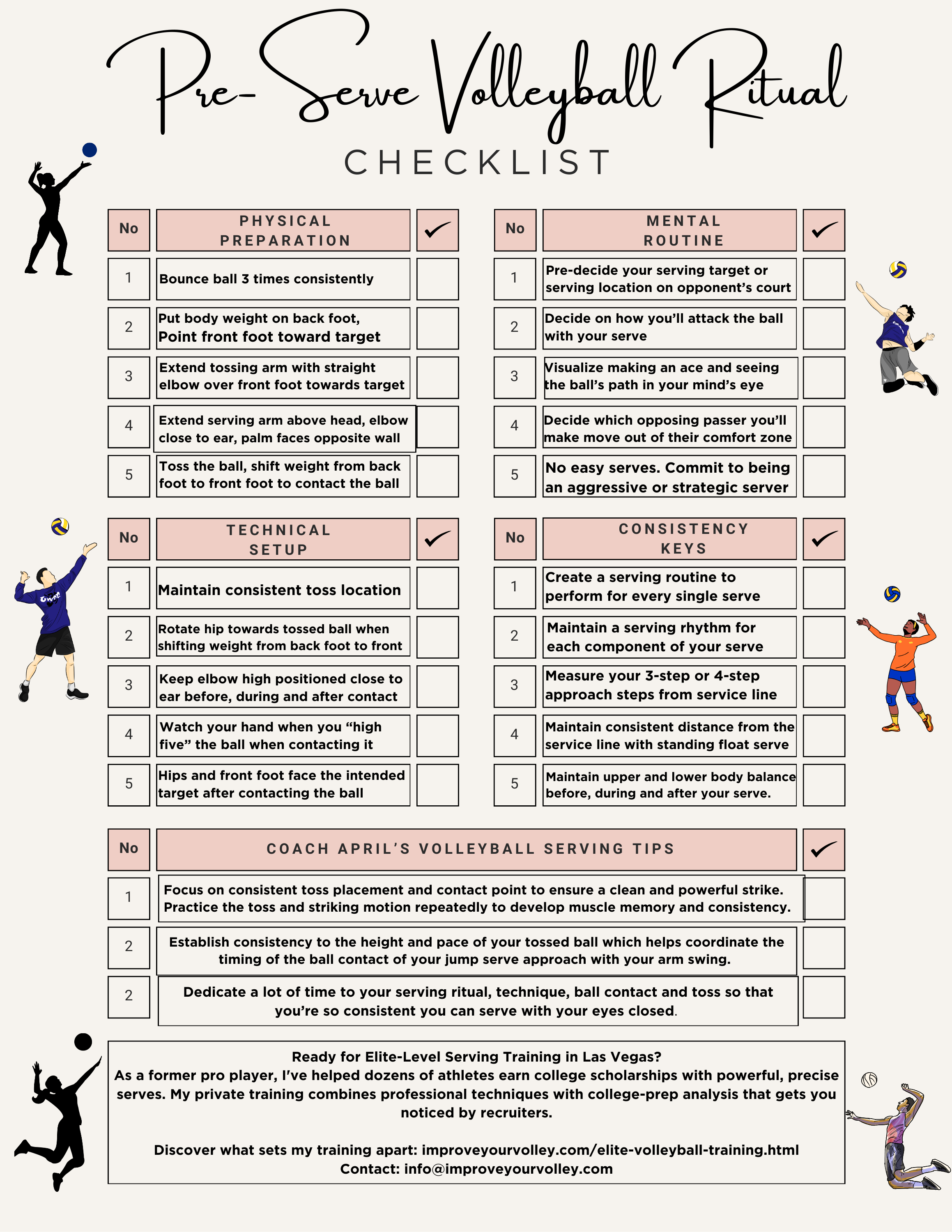
You'll Get
- ✓3-bounce physical preparation setup system
- ✓Mental routine for target pre-selection and visualization
- ✓Technical execution checklist for automatic consistency
- ✓Proven tips for bulletproof toss consistency
- ✓Pressure-proof strategies that eliminate serving errors
Click to Download Your Parent's Volleyball Serving Guide Help Your Player Develop Championship Serves (Even If You've Never Played) Checklist pdf:
🎯Parent's Volleyball Serving Guide Help Your Player Develop Championship Serves Guide - $7
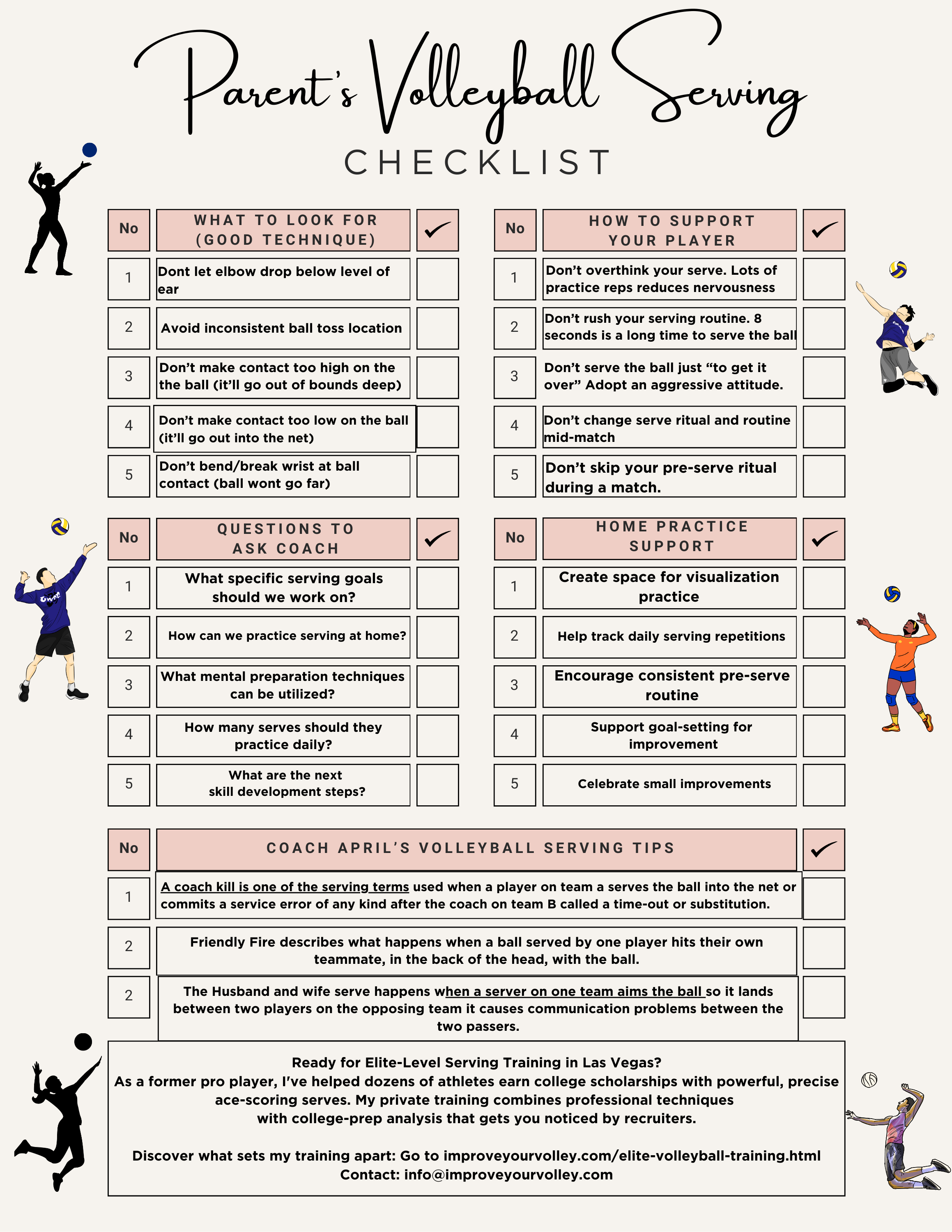
You'll Get:
✓Learn exactly what to look for in your player's serving form so you can provide meaningful feedback.
✓Discover how to provide encouragement that actually improves performance and mental toughness.
✓Know exactly what to ask coaches to show you're engaged and help your player develop properly.
✓Simple, effective drills that don't require a gym or expensive equipment.
✓Understand the language coaches use so you can better support your player's development.
✓Help your player develop the psychological aspects of serving that many coaches don't have time to address.
From Lady Vol to Legend: Coach April Produces Powerful Passionate Players...is that you?
What Are You Looking For?
Click to Download Your Pre Serving Ritual Mastery Checklist pdf:
🎯Volleyball Pre Serving Ritual Guide -
Players! Learn How To Transform Your Serve from Weak to Weapon
Click to Download Your Parent's Volleyball Serving Checklist pdf
🎯Parent's Volleyball Serving Checklist Guide
Parents! Help Your Player Develop Championship Serves (Even If You've Never Played)
Hi there!
Thanks for stopping by. Hope you learned something today that will help you reach your volleyball goals.
Be sure to subscribe to my email newsletter so you can learn more each week!
Stay strong! Stay motivated!
-Coach April
SUSCRIBE to my email newsletter below!

 Click to learn more about the weekly volleyball classes and clinics or email info@imrpoveyourvolley.com for information
Congratulations to my seven Boys-18s Vegas Volley club players who played in two state championship finals yesterday, the 3A and 5A State champinship finals at Sunrise Mountain High School.
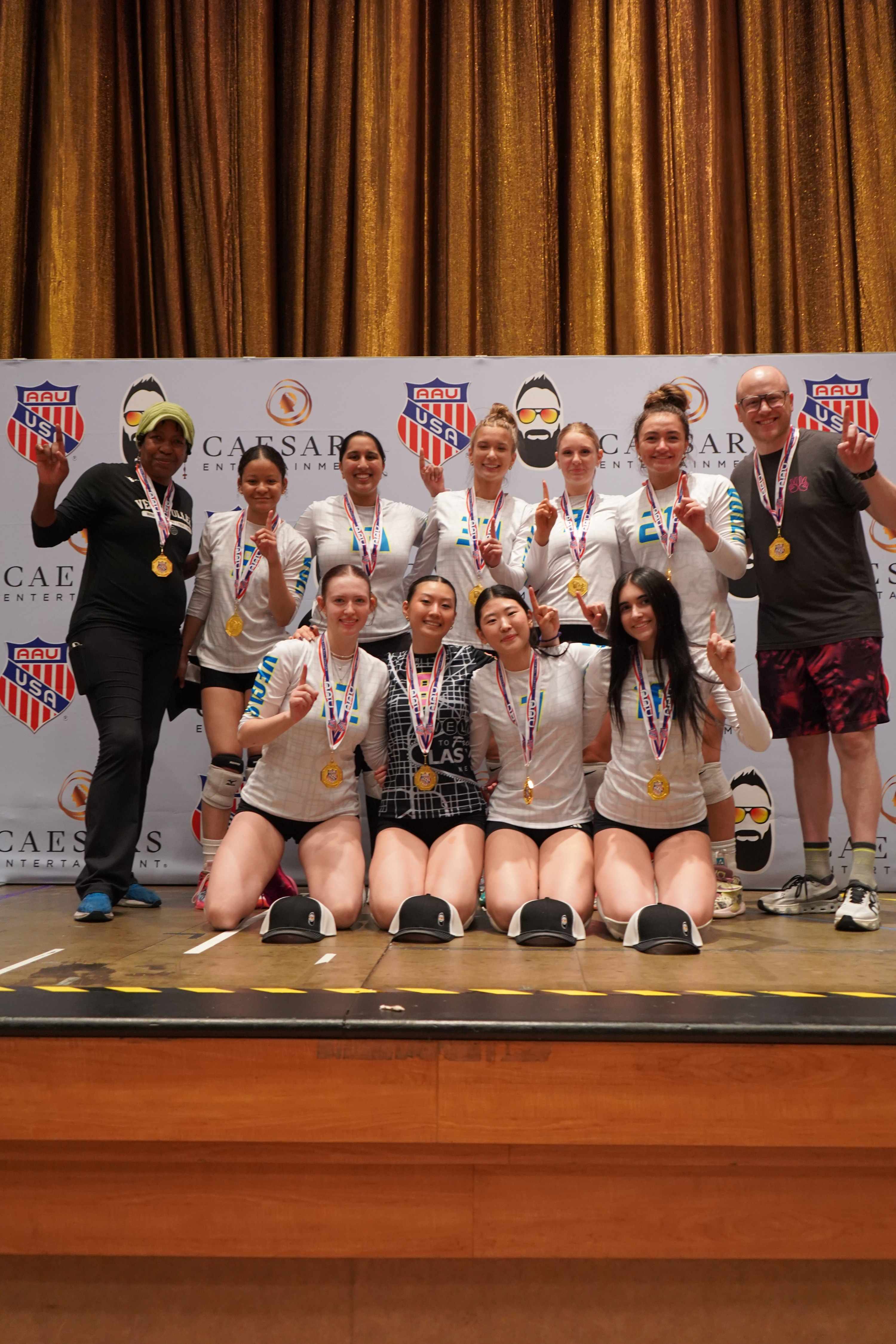
TOURNAMENT CHAMPIONS!
A-1 Vegas Volley VBC
In It To Win It Tournament
May 2 - 4, 2025 Tournament
Gold Medalists
18s Premier Division
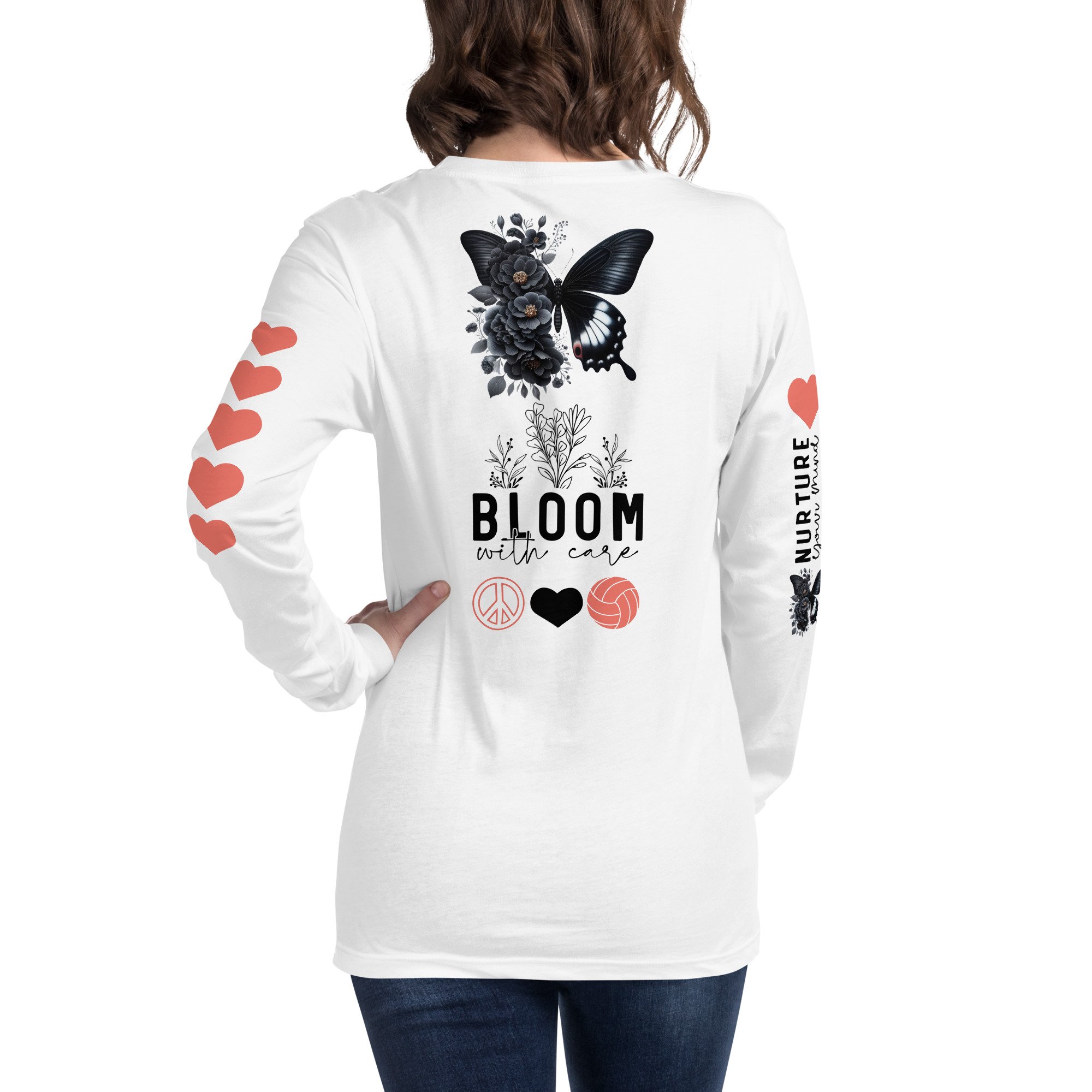
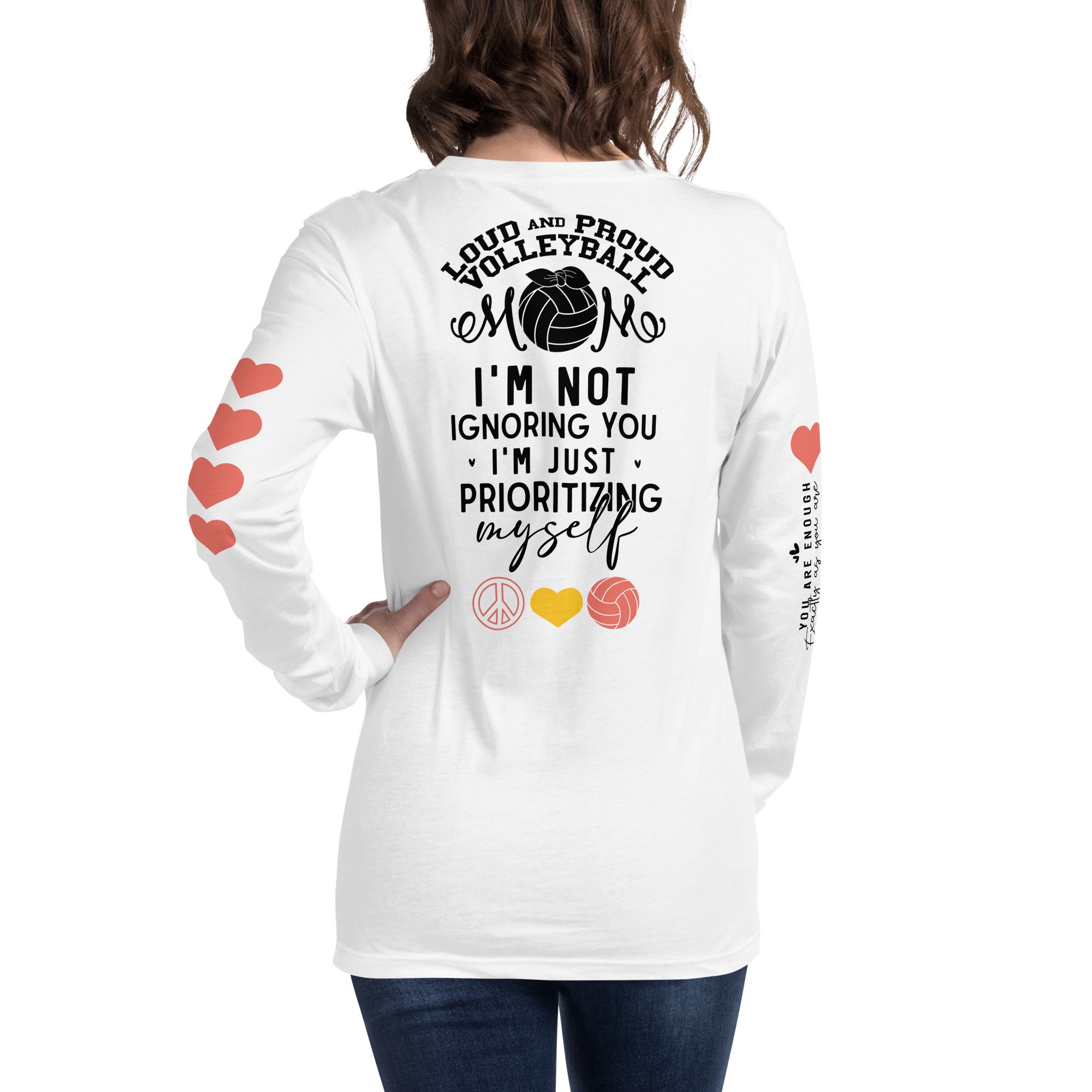
Vegas Volleyball's Unsung Heroes: Celebrating Moms with Peace Love Volleyball Shirts



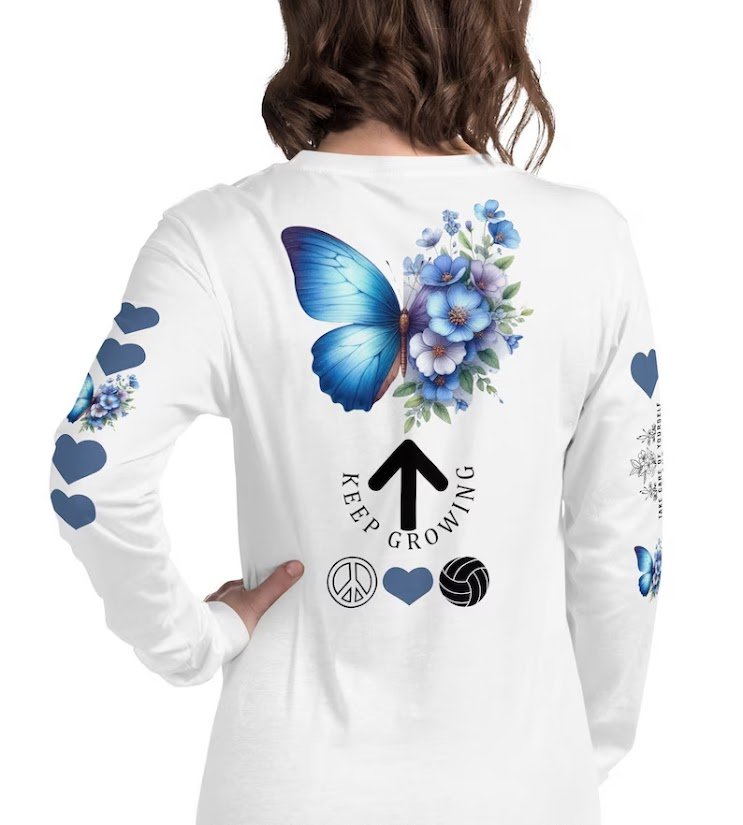
Ready to energize your volleyball mom journey?
Subscribe to my 'Producing Powerful Passionate Peaceful Players' email list above on ImproveYourVolley.com.
You'll receive energy-boosting tips, exclusive insights from me, Coach April Chapple on maintaining momentum in volleyball.
Let's power up the Vegas volleyball scene together!




Recent Articles


-
What Is Block In Volleyball A Step By Step Beginner Blocking Tutorial
Jul 03, 26 04:25 PM
 This is my ultimate what is blocking in volleyball guide of 12 actions to take before, during and after your team hits the ball over the net.
 -
How To Block Volleyball Blocking The Correct Ready Position
Jul 03, 26 04:23 PM
 how to block volleyball
 -
Mizuno Wave Volleyball Shoes Have Styles For Specific Player Positions
Jul 03, 26 03:02 PM
 The Mizuno Wave volleyball shoes include styles Mizuno Wave Lightning, Wave Bolt, Wave Tornado, Wave Voltage, Wave Momentum, Wave Supersonic and Wave Luminous